Unpacking Accumulation Pathways in Multi-Level Incentive Systems for British Digital Wheel Gaming
Written by Jordan Vogel · Jul 30, 2026
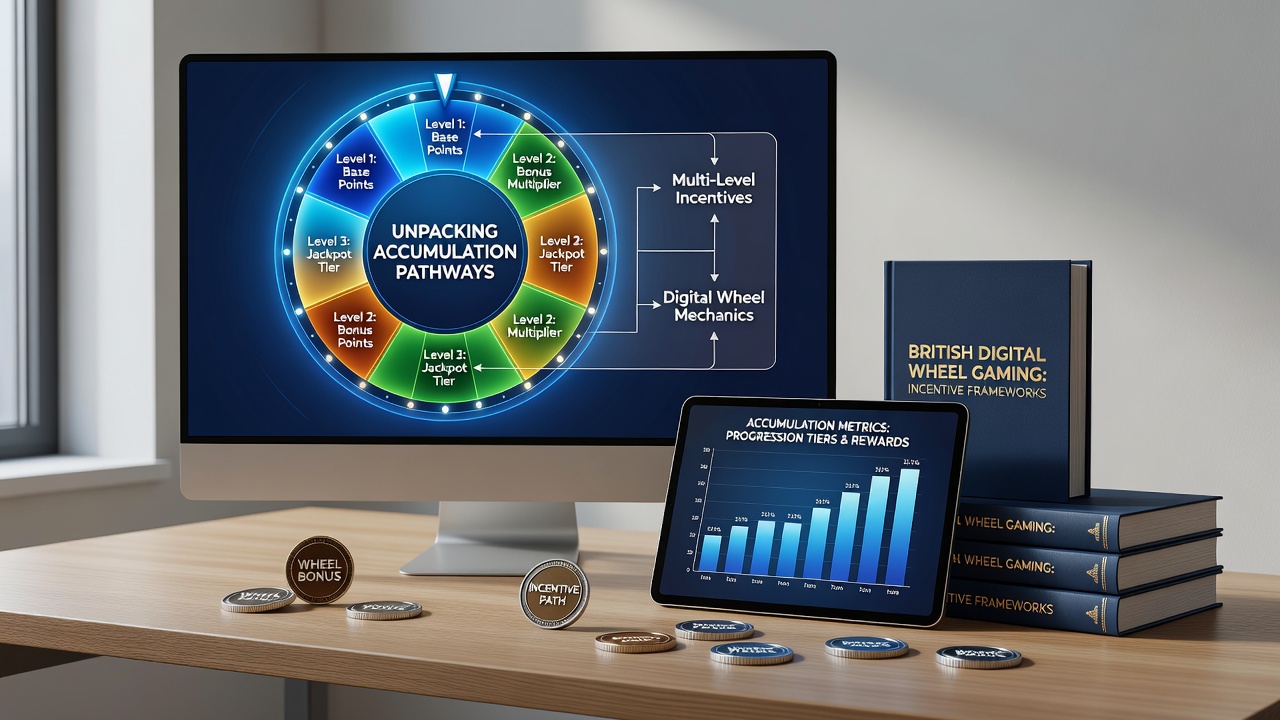
Unpacking Accumulation Pathways in Multi-Level Incentive Systems for British Digital Wheel Gaming
Observers note that multi-level incentive systems in British digital wheel gaming have developed structured pathways where players accumulate rewards through sequential tiers. These frameworks combine deposit matches, loyalty points, and free spin allocations that connect across different levels of engagement. Data from industry reports indicate that operators design these pathways to guide participants from initial sign-ups toward higher tiers, where benefits compound through consistent activity. Research from European gaming associations shows that accumulation often begins with base-level deposits that unlock entry points into tiered programs. Players then progress by meeting volume thresholds on roulette tables, which trigger point multipliers and access to intermediate rewards. Such systems rely on coded promotions that integrate with loyalty ladders, allowing credits to build across multiple sessions rather than in isolated bursts.Core Mechanics of Tier Progression
Experts have tracked how British platforms segment incentives into distinct stages, each requiring specific activity metrics before advancement becomes possible. Initial tiers typically offer modest deposit boosts alongside entry-level point collection, while mid-level stages introduce combined free spin bundles and cashback percentages tied to roulette wagers. Higher tiers add exclusive features such as personalized multipliers and priority withdrawal processing, all linked through shared accumulation ledgers.
Figures from trade group analyses reveal that these pathways frequently incorporate time-bound challenges during peak periods, including July 2026 when seasonal tournaments align with existing loyalty cycles. Participants who complete layered objectives receive compounded credits that feed back into the same multi-level framework, extending their progression without resetting prior gains.
Point Collection Routes Across Platforms
Studies from academic institutions in Canada highlight several common routes players follow when gathering points in digital wheel environments. One route centers on volume-based accumulation, where total stakes on roulette variants determine weekly point grants. Another emphasizes diversity, rewarding attempts across different game types within the same operator network. A third route integrates external promotions, such as newsletter codes or partner site bonuses, that convert directly into the central loyalty account.

Those who've examined these systems note that cross-platform compatibility remains limited, so most accumulation stays confined within single operator ecosystems. Yet operators sometimes partner with shared wallet providers, enabling limited point transfers between affiliated sites. This setup creates extended pathways where activity on one platform can indirectly support progression on another.
Integration of Bonus Codes and Loyalty Ladders
According to reports from Australian regulatory bodies, bonus codes serve as entry triggers that feed directly into tiered structures. A player redeems a code to receive an initial deposit match, after which subsequent wagers convert portions of that match into loyalty points. These points then unlock ladder steps that deliver additional free spins or enhanced multipliers. The process repeats as new codes become available, maintaining momentum through the multi-level system.
Industry data indicate that successful accumulation depends on timing code redemptions with ongoing loyalty periods. Misalignment between code validity windows and tier reset dates can interrupt pathways, forcing participants to restart segments of their progress. Operators address this through calendar tools that display overlapping timelines for active promotions.
Regulatory Context and System Adjustments
Updates from various government agencies show that British digital wheel gaming operators continue to refine accumulation pathways in response to broader policy shifts. Changes in stake limits and bonus structures prompt adjustments to point conversion rates and tier thresholds. These modifications aim to keep pathways viable while aligning with updated compliance standards across different jurisdictions.
One study from a research institution in the United States examined how such adjustments affect player retention across multi-level systems. Results indicated that transparent communication about pathway requirements correlates with sustained engagement, whereas opaque rules lead to higher dropout rates at intermediate tiers.
Conclusion
Accumulation pathways in multi-level incentive systems for British digital wheel gaming operate through interconnected stages that link deposits, wagers, and loyalty metrics. Operators maintain these frameworks by balancing reward frequency with progression requirements, while external reports from trade organizations and academic sources continue to document their evolution. Participants who map these routes effectively can extend their engagement across successive tiers, though outcomes depend on consistent alignment with platform rules and promotion schedules.