Tracing the Mechanics of Layered Incentive Programs: Deposit Matching Strategies and Loyalty Building in Online Gaming
Written by Willa Müller · Aug 13, 2026
Tracing the Mechanics of Layered Incentive Programs: Deposit Matching Strategies and Loyalty Building in Online Gaming
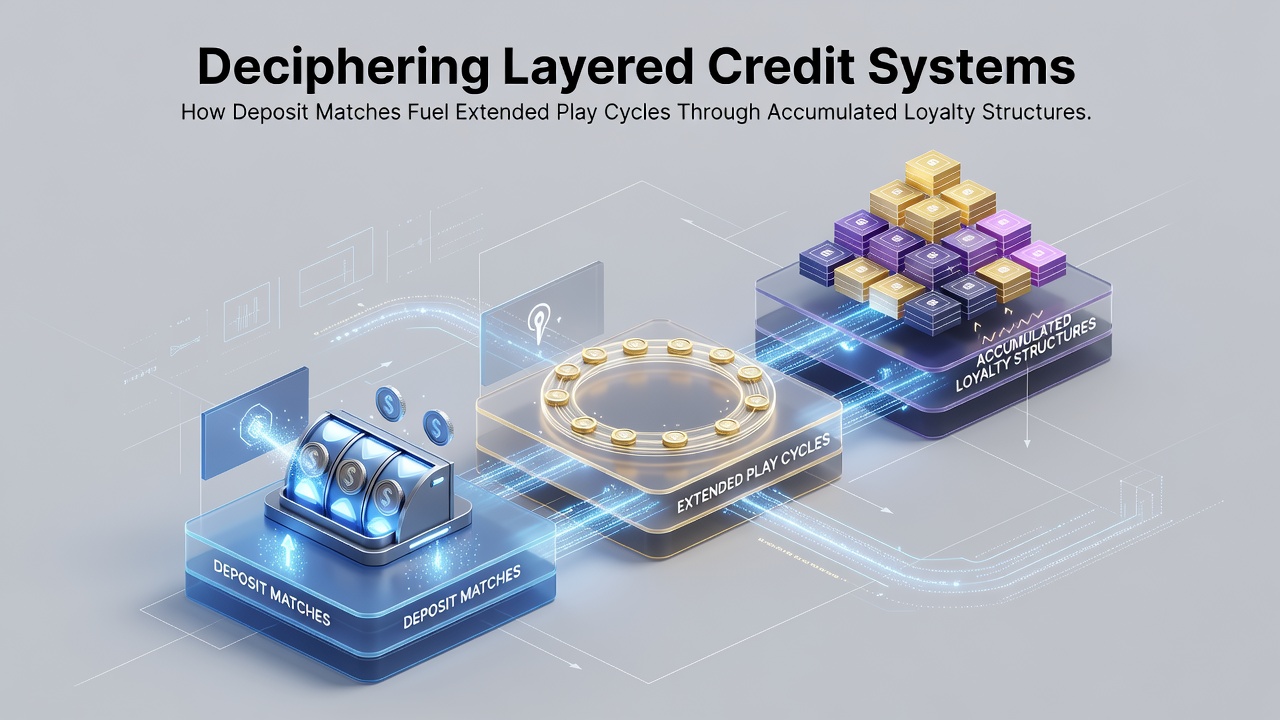
Layered credit systems operate through structured sequences where initial deposits trigger matching funds that convert into playable credits, while simultaneous loyalty tracking records every transaction to build toward higher tiers, and observers note these mechanisms create cycles where players return repeatedly because accumulated points unlock additional rewards without requiring new deposits each time.
Data from industry reports indicates deposit matches typically range from 50 to 200 percent of the initial amount, with the credited sum added directly to player accounts subject to wagering requirements that extend session lengths, while loyalty structures assign points based on bet volume and deposit frequency so that participants advance through levels granting cashback percentages, exclusive bonuses, and accelerated point multipliers.
Core Components of Deposit Matching
Deposit matches function as percentage-based incentives that operators apply to qualifying transactions, and the process begins when a player funds an account during a promotional window, triggering an automatic credit that appears alongside the original amount, yet the combined total remains subject to playthrough conditions that require multiple rounds of betting before withdrawal eligibility activates. Researchers have documented how these matches integrate with daily or weekly limits, capping the maximum bonus per deposit at set thresholds that prevent unlimited scaling while still encouraging consistent activity across multiple sessions.
Studies from the University of Nevada, Las Vegas Center for Gaming Research show that matched deposits correlate with longer average play durations because the additional credits must be wagered a predetermined number of times, and this requirement naturally extends engagement periods as participants work through the conditions rather than cashing out immediately. The structure also incorporates game-specific contributions where roulette wagers often count at lower percentages toward requirements compared to slots, directing player choices toward certain titles to maximize progress.
Loyalty Accumulation Pathways
Loyalty programs track player activity through point systems that award credits for every unit wagered and every deposit completed, and these points accumulate across accounts to determine tier status, with higher levels unlocking benefits such as reduced wagering multipliers on future matches or direct cashback on net losses. According to the American Gaming Association, loyalty frameworks in digital platforms have expanded to include tiered multipliers that activate during peak periods, such as August 2026 promotional windows, allowing participants to earn double or triple points on qualifying deposits and wagers.
Points convert into tangible rewards at defined exchange rates, and operators often structure these redemptions so that players must maintain activity levels to retain tier status, creating ongoing cycles where accumulated loyalty directly fuels additional deposit matches and bonus eligibility. The integration appears seamless because point balances update in real time after each session, providing immediate feedback that reinforces continued participation.
Interplay Between Matches and Loyalty Tiers
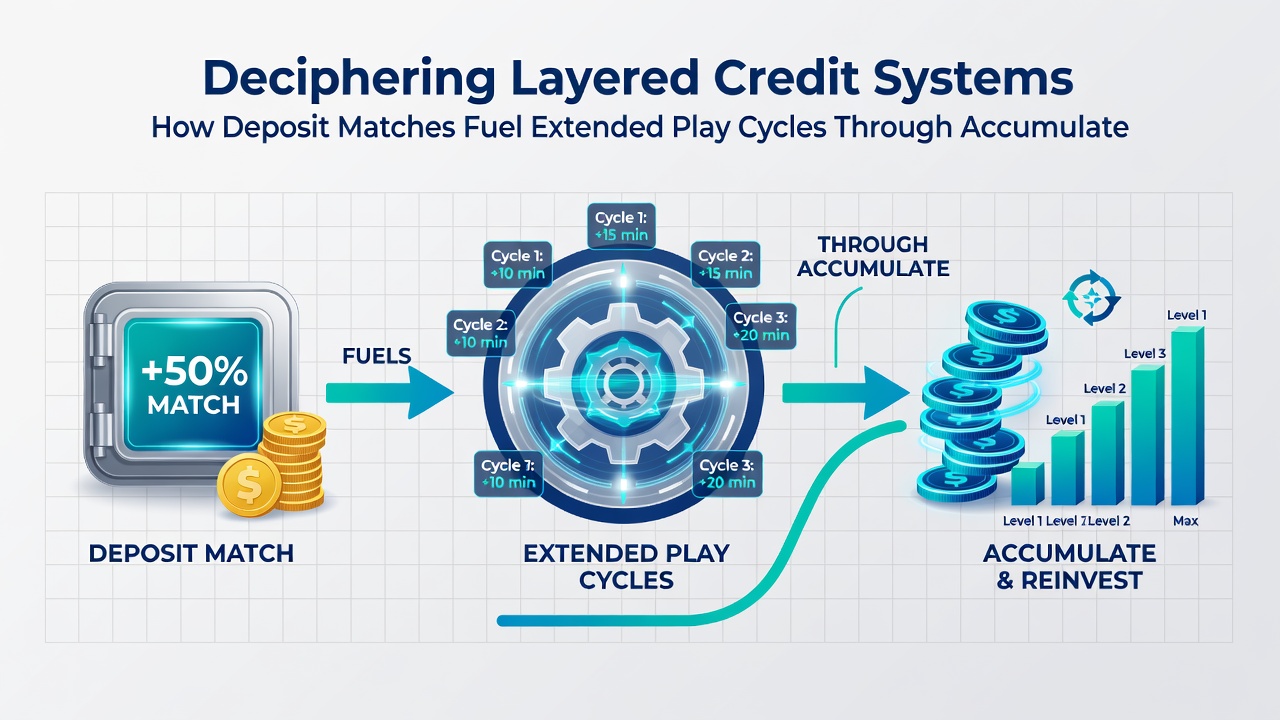
Deposit matches and loyalty structures interact when points earned from matched play count toward tier advancement, and this linkage means a single deposit event can generate both immediate credits and long-term status improvements that enhance all subsequent transactions. Observers note that players who reach mid-tier levels often receive personalized match offers with higher percentages or lower playthrough thresholds, which in turn generate more points and accelerate progression to top tiers where exclusive loyalty perks become available.
Evidence from Australian gambling expenditure reports reveals similar patterns in regulated markets where loyalty accumulation extends play cycles by an average of 35 percent compared to non-tiered accounts, because the perceived value of points keeps participants engaged even after initial matched funds are depleted. The system also incorporates time-bound challenges where completing specific deposit and wager combinations within August 2026 windows awards bonus points that reset or elevate tiers automatically.
Operational Mechanics in Practice
Systems calculate loyalty points using formulas that factor deposit size, match amount received, and total wagered volume, then apply these totals against tier thresholds that unlock progressively better terms on future matches. Operators update these thresholds periodically based on aggregate player data, and the adjustments maintain balance between accessibility for new participants and exclusivity for long-term accumulators.
Case examples from Canadian provincial gaming analyses demonstrate how players who combine regular deposits with consistent loyalty tracking achieve extended cycles lasting multiple weeks, because each completed cycle feeds points back into the system for larger matches on the next deposit. The architecture relies on backend tracking that logs every transaction without player intervention, ensuring points accrue accurately across devices and sessions.
Conclusion
Layered credit systems sustain extended play through the combined effect of deposit matches that provide immediate credits and loyalty structures that convert ongoing activity into escalating rewards, and data indicates these mechanisms operate most effectively when points from matched play directly influence future offer quality. Regulatory frameworks in multiple jurisdictions continue to monitor these integrations to ensure transparency in point valuation and match conditions, while industry reports project continued refinement of tier multipliers through 2026 and beyond.