Tracing Reward Sequences in Regulated British Roulette Platforms Through Tiered Deposit Structures
Written by Zoe Hansen · Aug 25, 2026
Tracing Reward Sequences in Regulated British Roulette Platforms Through Tiered Deposit Structures
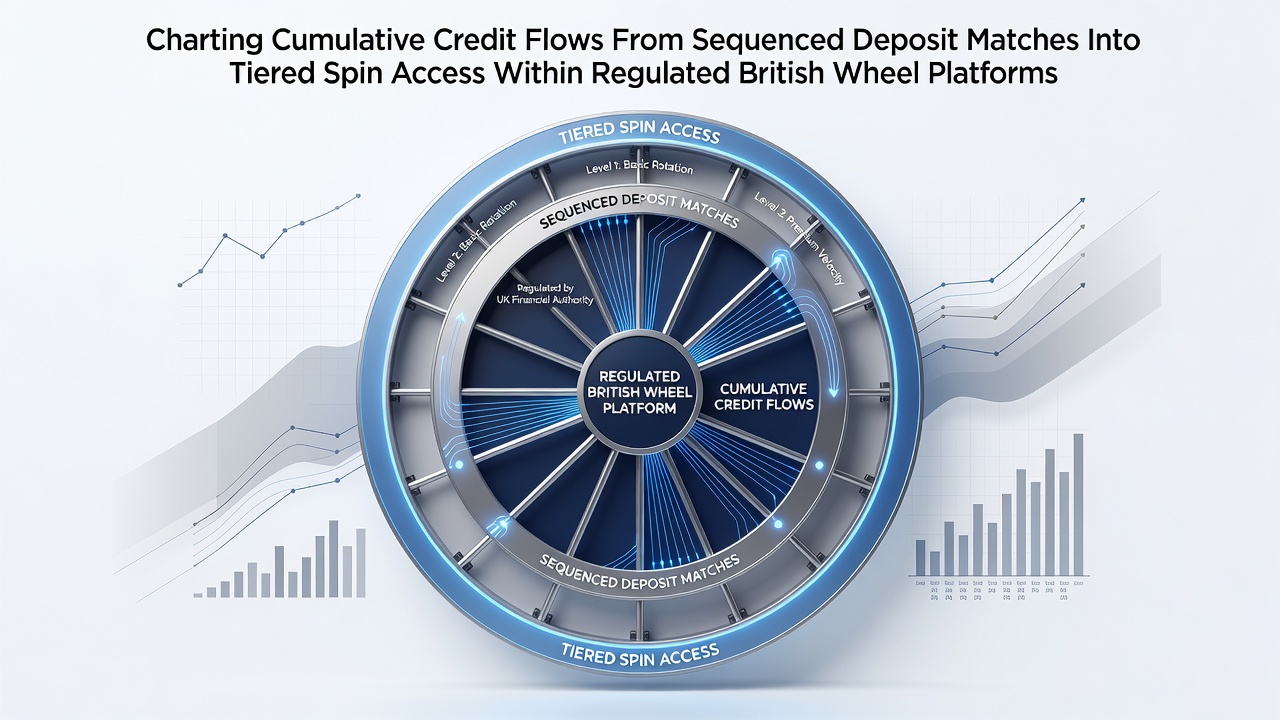
Sequenced deposit matches form the foundation of many reward systems in regulated British roulette environments, where players complete initial funding steps that trigger progressive credit allocations before accessing higher tiers of spin opportunities. These mechanisms operate under strict oversight from authorities across multiple jurisdictions, and data from industry reports in August 2026 shows continued expansion in such layered promotions across licensed operators. Observers note that the process begins with standard deposit matches, which generate base credits that accumulate over repeated transactions while meeting predefined wagering thresholds.
Mechanics of Sequenced Deposit Matches
Deposit matches in these platforms follow a structured sequence where each funding action builds upon the previous one, creating cumulative credit pools that convert into spin access at designated tiers. Research from academic studies on gambling mechanics indicates that operators apply percentage-based matches, often ranging from 50 to 200 percent on qualifying deposits, with credits tracked through centralized player accounts. Those who've examined transaction logs find that sequences typically require three to five deposits spaced across specific intervals, and this pacing helps maintain compliance with responsible gaming standards enforced by bodies like the Malta Gaming Authority.
Credits generated at each stage flow into a shared ledger that monitors total accumulation, while bonus terms dictate how much converts to playable spin value. Data shows that in British wheel platforms, these flows emphasize roulette-specific applications where credits unlock free spins on wheel variants after thresholds are met. What's interesting is how the sequencing prevents immediate access to top tiers, requiring players to progress methodically through lower levels first.
Credit Flow Patterns and Tier Progression
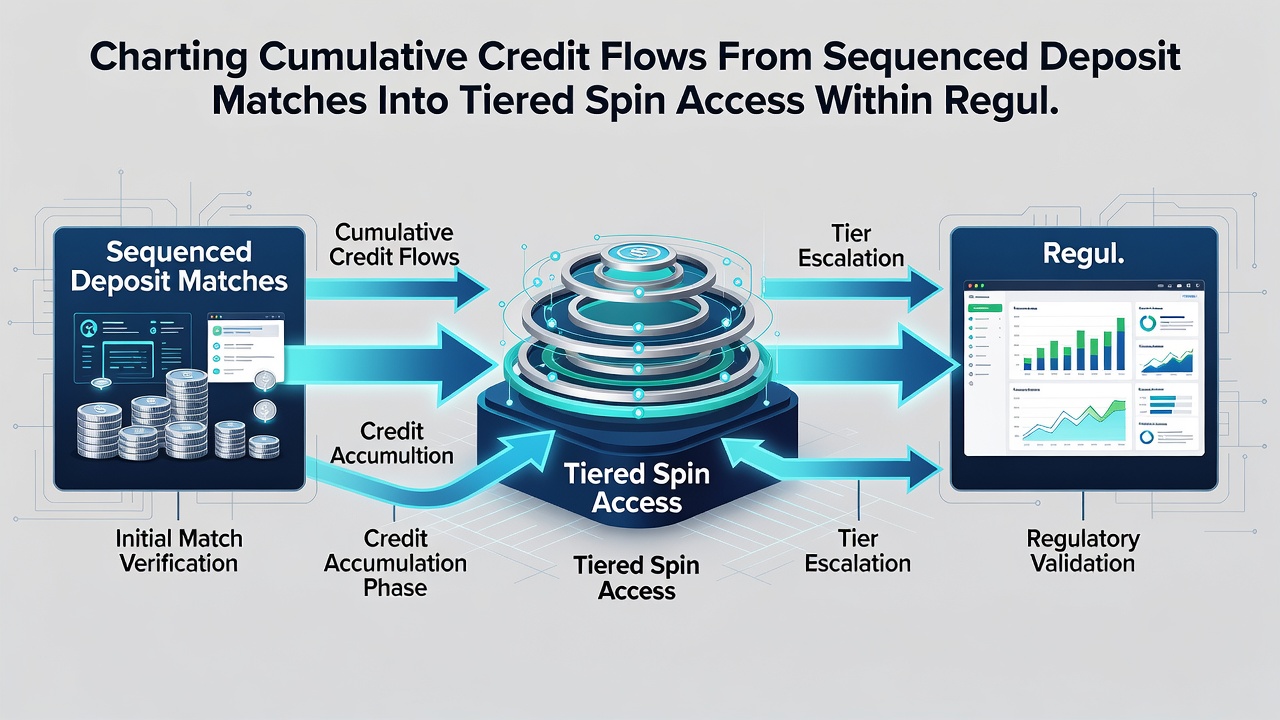
Cumulative credit flows operate through automated tracking systems that record each match and apply multipliers based on loyalty status or total volume. According to figures from the Canadian Gaming Association's annual reviews, similar tiered models in North American markets reveal average credit conversion rates around 65 percent when sequences align with platform rules. In the British context, operators integrate these flows with wheel-specific mechanics, where credits translate directly into spin bundles at bronze, silver, and gold access levels.
Players advance by completing sequenced deposits that add layers to their credit balance, and the system then unlocks tiered spins proportional to accumulated amounts. Studies from university research papers on European gaming patterns highlight that such progressions often include time-bound elements, with credits expiring if sequences stall beyond set windows. This structure encourages consistent engagement while directing flows toward regulated spin features rather than unrestricted play.
Integration With British Wheel Platforms
Regulated British wheel platforms incorporate these credit sequences into live and virtual roulette offerings, where tiered spin access provides entry to exclusive tables or enhanced wheel configurations. Evidence from industry analyses points to widespread adoption in 2026, with operators adjusting match values to align with updated compliance requirements introduced earlier in the year. Observers note that cumulative flows support both standard and live dealer variants, allowing credits to unlock spins on games featuring European or American wheel layouts.
Those monitoring platform updates find that sequenced matches often tie into broader loyalty frameworks, where early deposits feed into mid-tier access and sustained activity opens higher spin volumes. Reports from Australian gambling research centers confirm parallel developments in other regulated markets, showing how credit tracking software maintains transparency across these progressions. The result is a measurable pathway from initial funding to advanced spin opportunities without bypassing regulatory checkpoints.
Regulatory Context and Data Trends
Regulatory frameworks in Britain emphasize clear documentation of credit flows from deposit matches to tiered spins, with operators required to report aggregate data on player progression. August 2026 statistics from sector analyses reveal steady growth in sequenced promotion usage, particularly among platforms offering roulette as a core product. External oversight from groups such as the New Jersey Division of Gaming Enforcement provides comparative insights, noting that similar systems reduce variance in credit distribution when sequences are strictly followed.
Operators implement verification steps at each tier transition, ensuring credits convert accurately before spin access activates. Research indicates these controls help align operations with broader responsible gaming objectives while supporting platform revenue models. People who've reviewed compliance filings observe that British operators frequently update sequencing parameters in response to market shifts, maintaining the balance between accumulation speed and access restrictions.
Conclusion
Charting cumulative credit flows from sequenced deposit matches reveals structured pathways into tiered spin access across regulated British wheel platforms, with data from August 2026 underscoring ongoing refinements in these systems. The integration of match sequences with loyalty tiers creates measurable progression for players engaging in roulette activities, supported by tracking technologies and cross-jurisdictional regulatory standards. Sources such as Canadian Gaming Association reports and New Jersey gaming analyses provide additional context on how these mechanics function in comparable environments, highlighting consistent patterns in credit conversion and tier advancement.