Tracing Player Progression Through Bonus Sequences in Authorized Roulette Environments
Written by Jordan Vogel · Aug 25, 2026
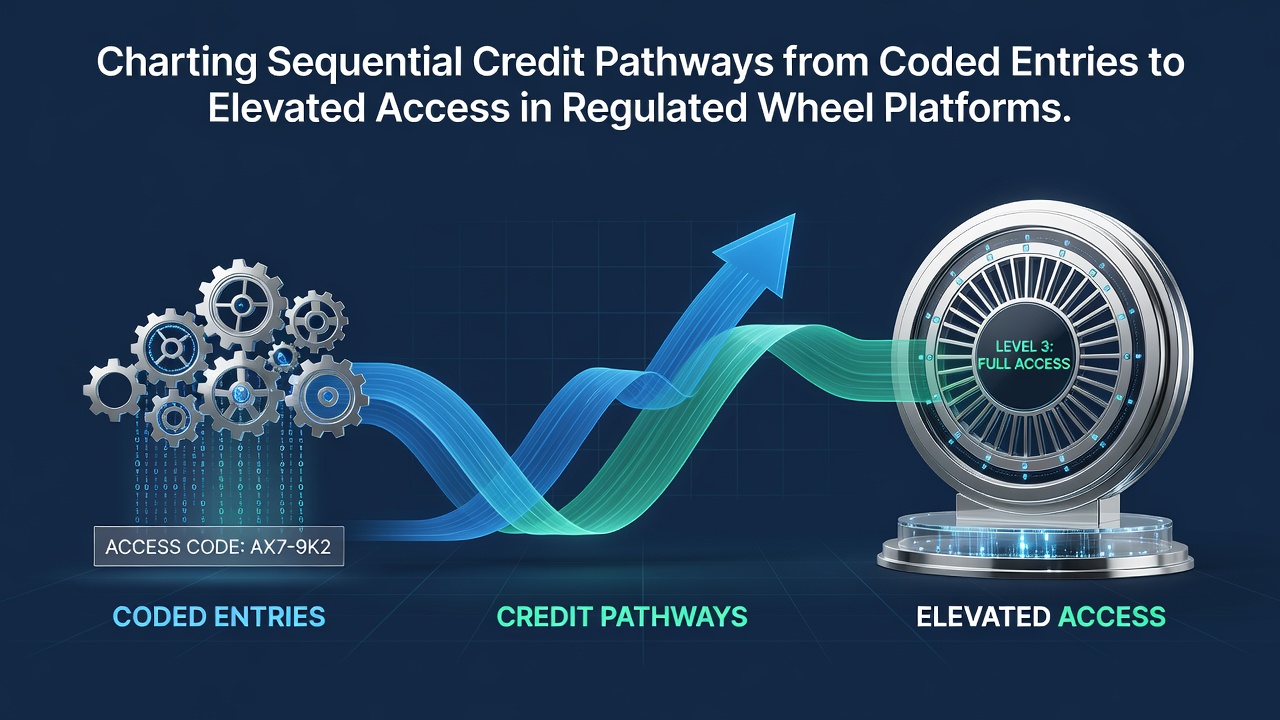
Tracing Player Progression Through Bonus Sequences in Authorized Roulette Environments
Regulated wheel platforms operate structured systems where players advance from initial coded entries to higher access tiers through documented credit accumulation, and data from industry reports shows these pathways rely on sequential verification steps that track deposits, wagers, and loyalty metrics over defined periods. Observers note that entry points typically begin with promo code submissions during account funding, which then trigger automated credit allocations recorded in player profiles across licensed operators.
Systems in multiple jurisdictions maintain audit trails that log each transition, and figures from regulatory filings indicate average progression timelines span several weeks when players meet minimum activity thresholds such as 50x wagering requirements on roulette variants. Those who've studied platform mechanics find that coded entries activate base-level credits, while subsequent deposits layer additional points that feed into tiered loyalty engines.
Initial Entry Mechanisms and Credit Activation
Players submit alphanumeric codes at the deposit stage, after which platforms validate them against active campaigns before crediting accounts with matching funds or free spin allocations, and this process occurs in real time for most systems certified under international standards. Research indicates that verification protocols cross-check user details against regulatory databases to prevent duplicate entries, ensuring compliance while routing new credits into segmented ledgers separate from main balances.
Once activated, these credits appear with expiration timers and usage restrictions that guide the next phase of accumulation, whereas platforms in regions like Nevada and parts of Canada require explicit player confirmation before credits convert to playable roulette balances. Data shows that successful first-step activations correlate with higher retention rates in subsequent months according to aggregated operator statistics.
Layered Accumulation and Tier Advancement
After initial credits post, players engage in roulette sessions that convert wagers into loyalty points, and these points accumulate toward elevation thresholds such as silver or gold status where withdrawal limits increase and exclusive tables become available. Studies from academic gaming research groups reveal that multi-step pathways often incorporate weekly or monthly challenges that multiply point values when completed consecutively.
Platforms integrate deposit history wth play volume to calculate eligibility, while algorithms adjust thresholds dynamically based on overall platform activity during peak seasons like the 2026 summer schedule. One documented case involved operators in Australia adjusting point multipliers for roulette enthusiasts who combined coded deposits with consistent weekly volumes, resulting in faster movement to premium suites.
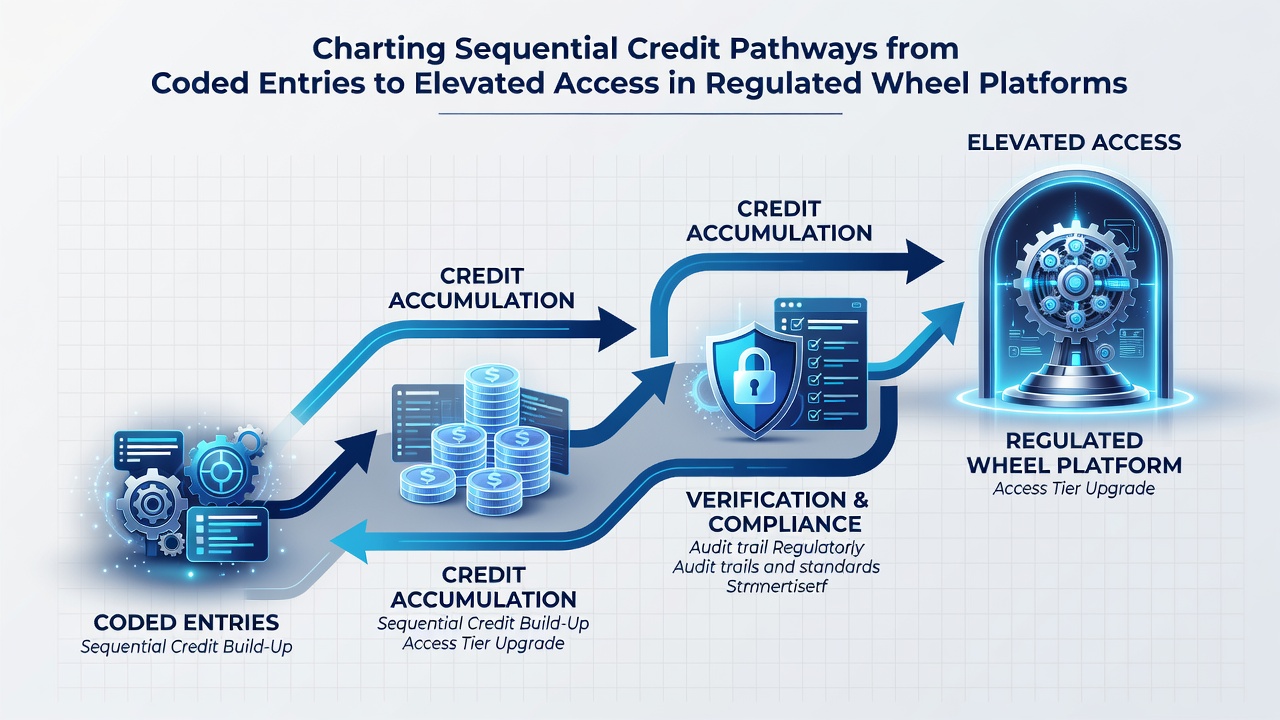
Intermediate stages frequently introduce additional coded opportunities tied to loyalty milestones, and these secondary entries unlock further credit bursts that accelerate progress when combined with existing balances. Evidence from European trade association reports demonstrates that players reaching mid-tier status gain access to personalized support channels that assist with optimizing remaining requirements for top-level privileges.
Regulatory Frameworks Governing Pathway Integrity
Licensed environments enforce rules that cap maximum credit values per coded entry and mandate clear disclosure of all progression criteria, and bodies such as the Nevada Gaming Control Board publish guidelines requiring transparent tracking of how wagers convert to tier points. Compliance teams conduct periodic audits to confirm that elevated access grants align with verified activity rather than external promotions.
Operators must maintain records accessible to oversight agencies for up to seven years, which allows verification that sequential pathways remain free from manipulation across different player cohorts. In August 2026, several platforms updated their internal dashboards to provide real-time visibility into credit balances and upcoming tier thresholds, reflecting ongoing refinements to meet evolving standards from multiple international regulators.
Conclusion
Sequential credit pathways in regulated wheel platforms follow predictable structures from coded entry through accumulation phases to elevated privileges, with each stage governed by auditable metrics and jurisdictional requirements. Data indicates these systems support player retention while maintaining compliance across diverse markets, and continued platform updates ensure pathways remain accessible yet secure for participants meeting established criteria.