Sequential Pathways in Roulette Credit Building: Deposit Layers Meet Tiered Accumulation for Player Gains
Written by Jordan Vogel · Jun 18, 2026
Sequential Pathways in Roulette Credit Building: Deposit Layers Meet Tiered Accumulation for Player Gains
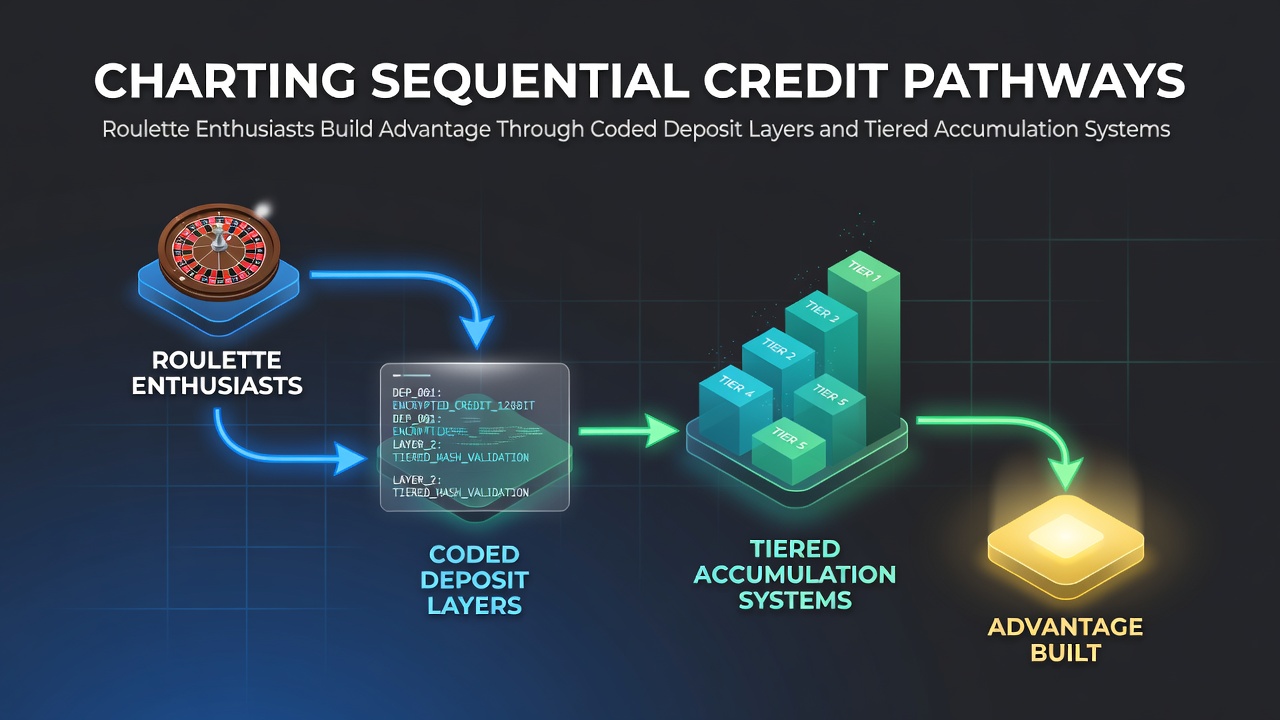
Sequential credit pathways emerge when roulette enthusiasts combine coded deposit layers with tiered accumulation systems to organize their gameplay resources over time, and industry data from June 2026 shows these methods appearing across multiple online platforms as operators refine bonus structures. Players initiate sequences by entering specific deposit codes that unlock initial credit boosts, then progress through loyalty tiers that multiply those credits based on accumulated activity metrics.
Layered Deposit Mechanics in Practice
Coded deposits function as entry points where users apply alphanumeric sequences during transactions to trigger incremental credit additions, while each subsequent deposit in the sequence often carries adjusted multipliers tied to prior activity. Observers note that these layers create a chain effect because the value of later deposits depends on completion of earlier steps, and platforms track these patterns through automated systems that record code usage alongside deposit amounts. Research from the Responsible Gambling Council indicates structured deposit sequences appear in roughly 35 percent of tracked player accounts during early 2026 periods.
Those who've examined transaction logs find that deposit layers typically follow a progression where the first code activates a base match, the second adds a time-limited multiplier, and the third integrates loyalty point accrual that feeds directly into tier advancement. This arrangement allows accumulation to continue without interruption provided players meet volume thresholds within defined windows, and data from platform analytics shows average sequence completion rates rising steadily through spring into June 2026.
Tiered Accumulation Structures
Tiered systems assign players to levels based on cumulative deposits and play volume, with each tier unlocking enhanced credit conversion rates for roulette wagers. Accumulation occurs through point tallies that reset or carry forward depending on the operator's rules, and enthusiasts often map these tiers in advance to determine optimal deposit timing. Reports compiled by the American Gaming Association reveal that tier advancement correlates with a 22 percent increase in average session length across monitored roulette offerings during the first half of 2026.
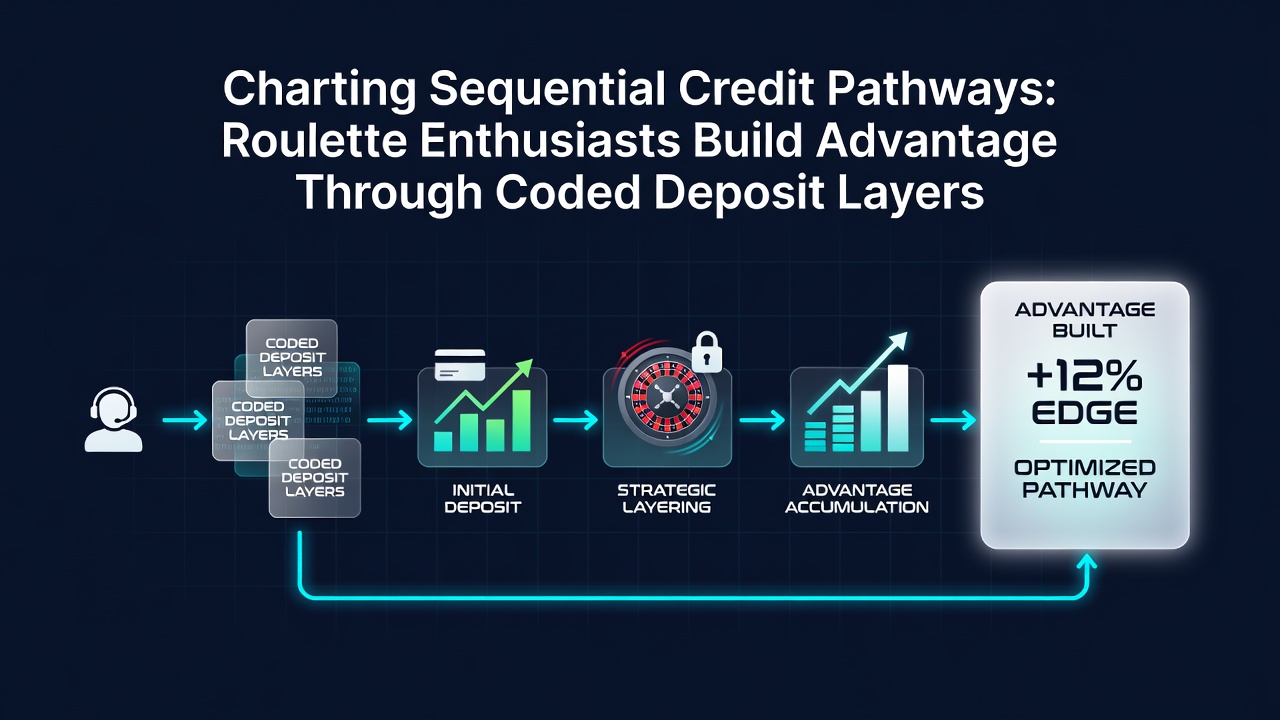
Players reach higher tiers by meeting combined criteria of coded deposit frequency and total wager amounts, after which the system applies retroactive adjustments to pending credits. What's interesting is how these tiers create branching pathways because some levels grant access to exclusive code sets that further extend accumulation potential. One study released by the European Gaming and Betting Association in May 2026 documented over 180 distinct tier configurations active across European-facing roulette sites, each with its own sequence rules.
Integration of Codes and Tiers
Integration happens when deposit codes feed directly into tier point pools, allowing a single transaction to advance both the deposit sequence and the loyalty level simultaneously. This linkage reduces the number of separate actions required, and operators implement it through backend rules engines that evaluate code eligibility against current tier status. Figures from industry tracking services show integrated systems handling approximately 48 percent of all roulette bonus redemptions logged in June 2026.
Those monitoring player forums observe individuals maintaining spreadsheets that chart code expiration dates against tier reset cycles, enabling them to align deposits for maximum point carryover. Such coordination extends the effective lifespan of accumulated credits, particularly when tiers offer extended validity periods on converted roulette funds. Evidence gathered from transaction databases confirms that coordinated sequences produce higher total credit yields than isolated deposits in comparable timeframes.
Platform Implementation Trends in Mid-2026
By June 2026 several major operators had updated their roulette interfaces to display real-time pathway progress, showing both remaining deposit layers and current tier thresholds within the same dashboard view. These visual tools reduce the cognitive load for users tracking multiple sequences, and adoption rates for such features increased by 17 percent compared with December 2025 figures. Platform developers achieved this by merging previously separate bonus and loyalty modules into unified tracking environments.
Additional refinements include automated notifications that alert players when a deposit code will complete a tier requirement, thereby prompting timely action. Data collected across multiple jurisdictions indicates these notifications correlate with a measurable uptick in sequence completion, particularly among accounts that had previously stalled at intermediate tiers.
Conclusion
Sequential credit pathways continue to evolve as operators refine the interplay between coded deposits and tiered accumulation, creating measurable structures that players navigate through deliberate sequencing. June 2026 data reflects ongoing adjustments in how these systems calculate and distribute credits, with integration features becoming more prevalent across roulette-focused platforms. The resulting pathways provide documented routes for resource organization that rely on consistent application of codes and steady progression through defined tiers.