Sequential Layers in Deposit Conversion to Roulette Credits in Regulated British Networks
Written by Zoe Hansen · Aug 20, 2026
Sequential Layers in Deposit Conversion to Roulette Credits in Regulated British Networks
Initial Deposit Entry Points Across Licensed Platforms
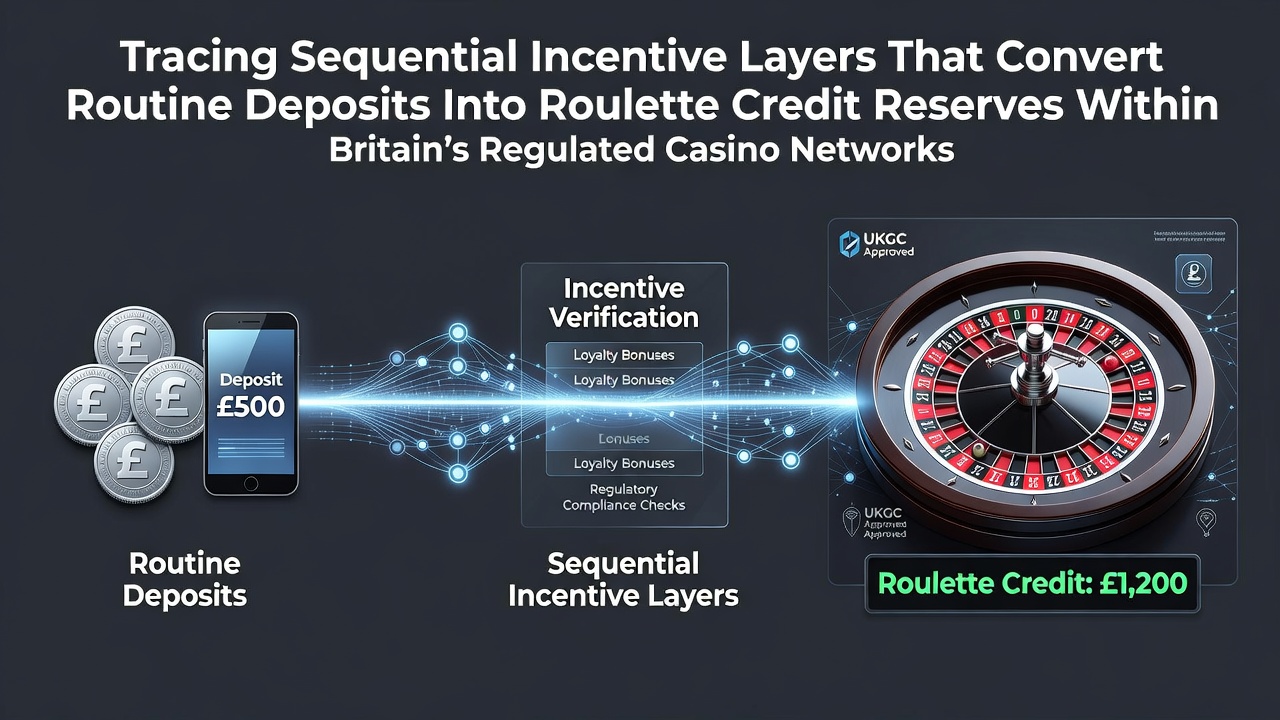
Players initiate the process through standard deposit methods that operators accept under British licensing rules, and these entries trigger the first incentive mechanisms that allocate portions of the funds toward playable reserves. Data from industry reports indicate that deposit volumes in regulated environments have followed consistent patterns through mid-2026, with August figures reflecting steady activity across multiple networks. Operators apply matching structures immediately upon confirmation, converting a percentage of the deposit into additional credit that becomes available for roulette tables once basic verification completes.
Activation of Tiered Matching Mechanisms
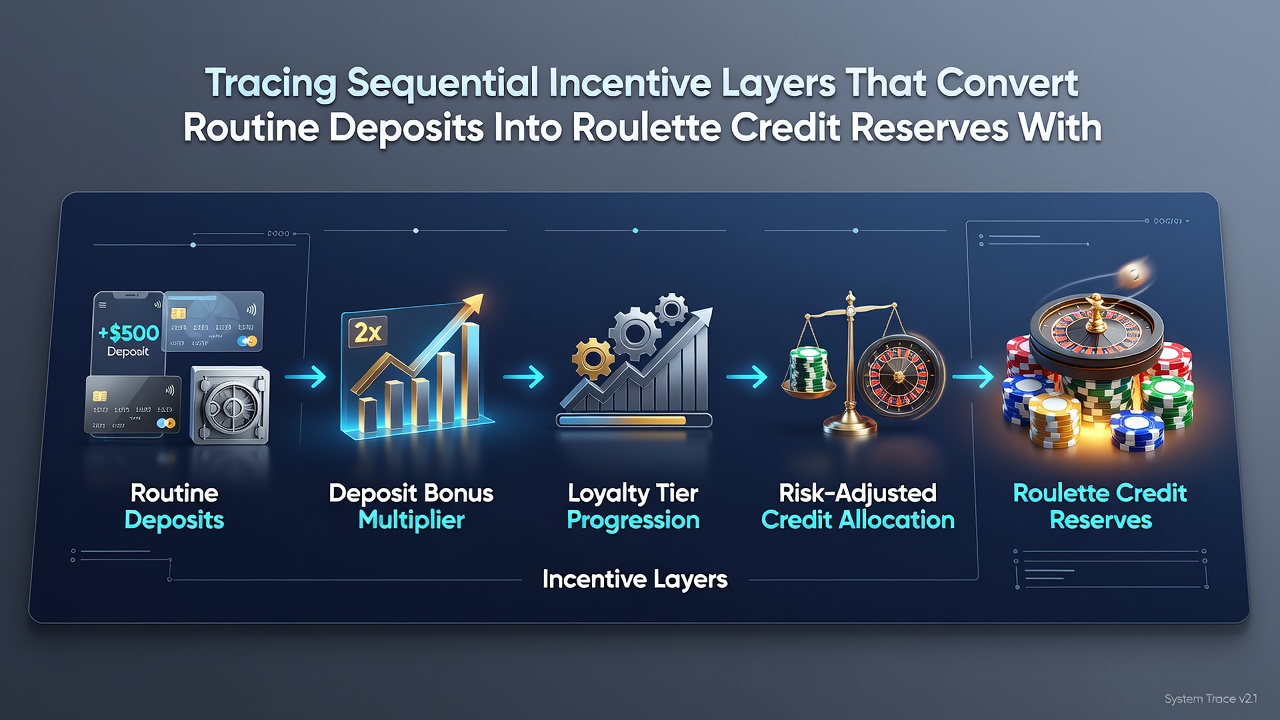
After the deposit registers, platforms activate sequential matching layers that scale according to deposit size and player history within the system. Research from the University of Nevada, Reno International Gaming Institute shows how these layers operate through defined thresholds that release credits progressively, and each threshold completion unlocks the next allocation. In practice this creates a chain where the initial deposit supports multiple credit tranches, all earmarked for roulette play under the network's wagering parameters. Observers note that August 2026 updates to platform interfaces have streamlined the visibility of these thresholds for users tracking their progress.
Conversion Through Wagering and Reserve Allocation
Wagering requirements function as the primary conversion gate that transforms matched funds into dedicated roulette credit reserves, and compliance with these requirements occurs through tracked play across approved games. Figures from regulatory tracking services reveal that successful conversions typically span several deposit cycles, with each cycle building on prior reserves without resetting prior balances. This sequential approach ensures that routine deposits accumulate into larger credit pools reserved specifically for roulette variants offered within the licensed environment. Operators maintain separate ledgers for these reserves to comply with segregation rules that prevent commingling with other account balances.
Loyalty Integration and Reserve Expansion
Once initial conversion completes, loyalty frameworks extend the sequence by awarding points that translate directly into additional roulette credits, and these points accrue based on volume of play rather than deposit size alone. Reports from the Canadian Centre on Substance Use and Addiction highlight parallel structures in other jurisdictions where loyalty layers reinforce reserve growth over time. Within British networks this integration occurs automatically, with point redemptions feeding back into the same credit pools used for roulette sessions. August 2026 platform audits have confirmed that these expansions remain aligned with existing licensing conditions that cap maximum reserve values per account.
Regulatory Oversight of Sequential Processes
Licensed operators must document each layer of the incentive sequence to demonstrate compliance with fund protection standards, and external audits verify that conversion paths do not exceed permitted bonus values. Tracking systems record the movement from deposit to credit reserve at every stage, providing regulators with transparent logs that cover activity through the summer of 2026. This documentation requirement ensures that sequential layers remain traceable from the moment a deposit enters the network until the resulting credits become available for roulette play.
Conclusion
The full sequence from routine deposit to roulette credit reserve follows a defined path of matching, wagering, and loyalty integration that operators manage within Britain's regulated framework. Data collected through August 2026 continues to show these layers functioning as interconnected steps that accumulate value without violating licensing parameters. External research sources confirm similar conversion mechanics operate in comparable regulated markets, underscoring the structured nature of the process across multiple jurisdictions.