Roulette Player Advancement Systems: Acquiring Spins and Unlocking Elite Rewards
Written by Zoe Hansen · Aug 15, 2026
Roulette Player Advancement Systems: Acquiring Spins and Unlocking Elite Rewards
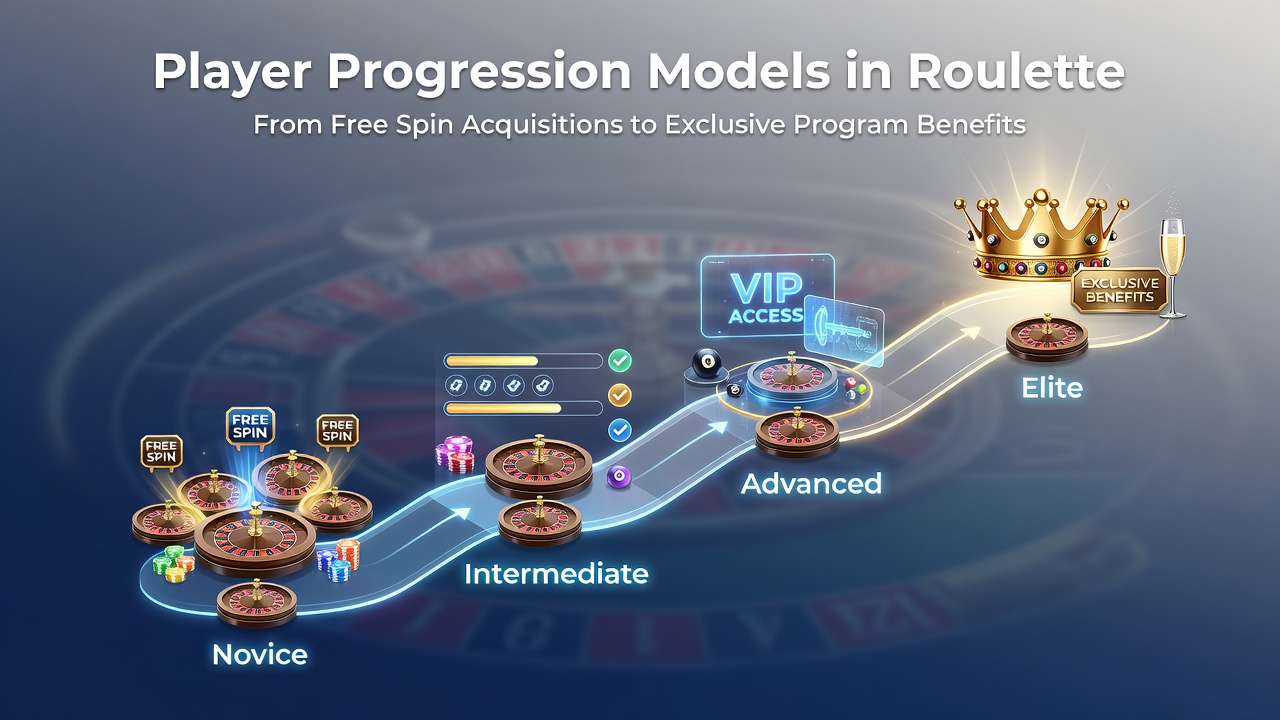
Player progression models in roulette operate through structured sequences that begin with free spin acquisitions and extend into comprehensive loyalty frameworks where participants accumulate credits across multiple deposit cycles and gameplay sessions. Operators design these pathways to guide users from entry-level bonuses toward tiered programs that deliver escalating benefits such as enhanced cashback percentages and dedicated account support. Data from industry reports shows that participants who engage consistently with initial spin offers often transition into higher-value segments within three to six months of regular activity.
Entry-Level Acquisition Mechanisms
Free spin distributions typically occur through welcome packages that require a minimum deposit threshold and code verification, after which players receive a set number of spins on designated roulette variants. These initial offers frequently combine with match bonuses, allowing users to extend playtime while meeting wagering conditions that convert spins into withdrawable funds. Observers note that many platforms update their acquisition terms monthly, with August 2026 seeing several operators introduce targeted spin bundles tied to specific roulette wheel types.
Participants advance by completing playthrough requirements that track both spin outcomes and overall bet volumes, and this process feeds directly into loyalty point systems where each wager contributes to tier progression. Studies indicate that structured entry offers correlate with higher retention rates when paired with transparent terms on minimum stakes and game eligibility.
Building Through Tiered Loyalty Structures
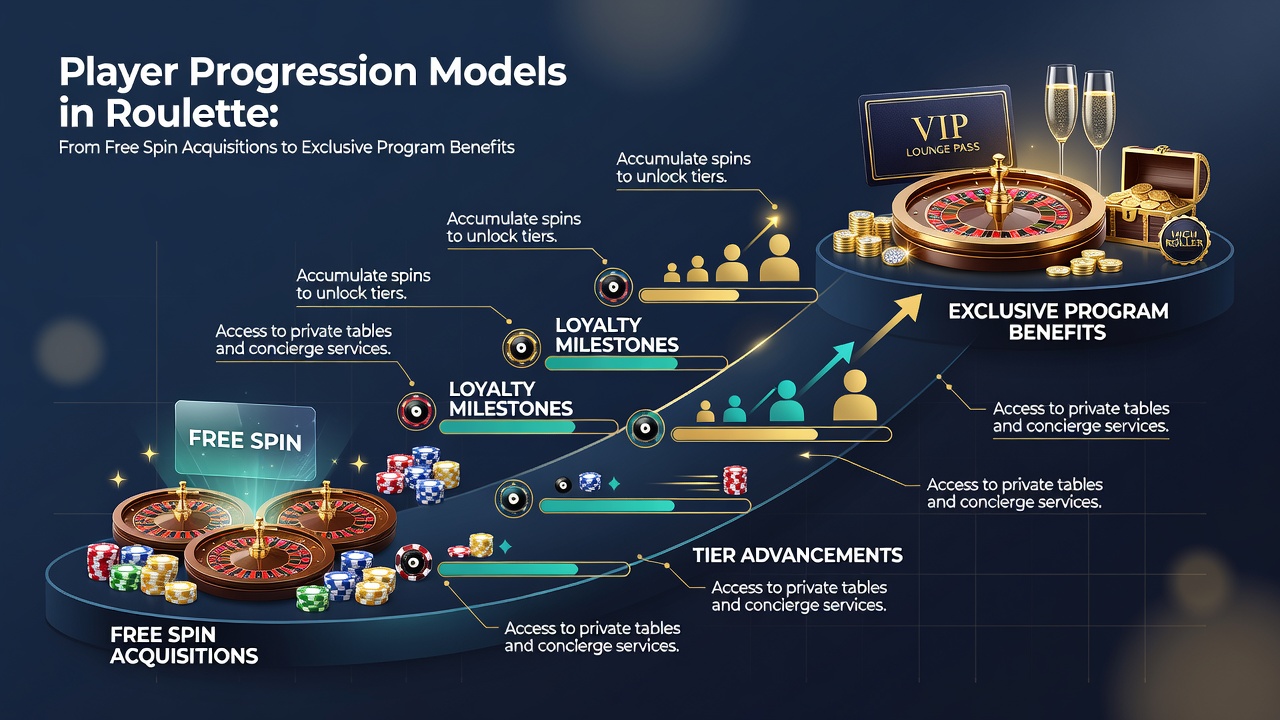
Loyalty pathways divide into multiple levels where accumulated points determine access to improved rewards, and players move upward by maintaining consistent roulette activity across weekly or monthly periods. Lower tiers grant basic reload bonuses and occasional free spin top-ups, whereas mid-level status unlocks faster point multipliers and reduced wagering multipliers on subsequent acquisitions. Higher tiers introduce personalized offers that include exclusive roulette tournaments and higher cashback ceilings based on prior month volume.
According to figures released by the New Jersey Division of Gaming Enforcement, loyalty programs in regulated markets demonstrate measurable increases in player lifetime value as participants climb tiers. Operators track these movements through integrated software that logs every spin and deposit, enabling automated tier upgrades without manual intervention.
Transition to Exclusive Program Benefits
Exclusive programs activate once players reach designated point thresholds, granting access to private game variants, higher table limits, and direct communication channels with casino hosts. These benefits often extend beyond standard play to include event invitations and accelerated withdrawal processing that reduces standard timelines from days to hours. Research from the Australian Gambling Research Centre highlights how such programs maintain engagement by aligning reward frequency with individual activity patterns.
Those who reach the uppermost tiers frequently receive custom spin packages calibrated to their preferred roulette formats, while additional perks such as insurance on specific bet types or birthday credit allocations reinforce continued participation. Progression data shows that elite members generate disproportionate revenue shares compared with entry-level users, prompting operators to refine benefit structures regularly.
Conclusion
Player progression models in roulette connect initial free spin acquisitions with advanced loyalty rewards through measurable activity thresholds and automated tracking systems. Operators continue to adjust these frameworks in response to participation metrics, and August 2026 updates reflect ongoing refinements in tier criteria and benefit delivery. The structure supports sustained engagement by converting everyday play into progressively valuable program access.