Roulette Dynamics Reshaping Loyalty Tiers in Britain's Licensed Casino Networks
Written by Jordan Vogel · Jun 13, 2026
Roulette Dynamics Reshaping Loyalty Tiers in Britain's Licensed Casino Networks
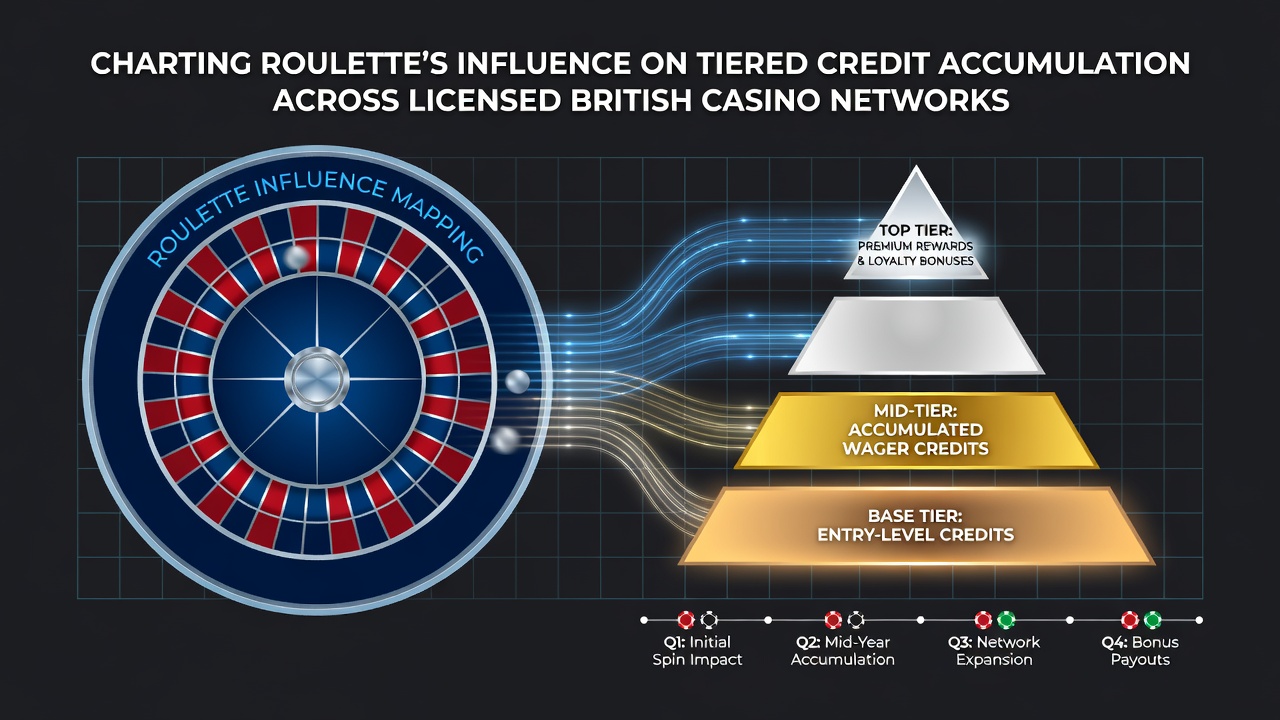
Operators across licensed British casino networks track roulette activity as a steady driver of tiered credit accumulation, where each spin contributes measurable points toward loyalty progression. Data compiled through June 2026 shows roulette accounting for consistent portions of player engagement metrics, with networks integrating these figures into structured reward ladders that scale from entry-level access to premium VIP benefits.
Systems assign credit values based on wager size and game type, allowing roulette sessions to build balances alongside table games and slots. Observers note that players accumulate points at rates tied directly to bet denominations, which in turn unlock deposit matches, free spin allocations, and cashback percentages that increase with each tier reached.
Mechanics of Credit Allocation in Roulette Play
Point formulas applied by major networks convert roulette stakes into loyalty credits using multipliers that vary by table limits and session duration, creating pathways where extended play accelerates tier advancement. Licensed platforms maintain transparent ledgers that display real-time accumulation, enabling users to monitor progress toward milestones without separate tracking tools.
Networks differentiate roulette contributions from other verticals by weighting live dealer variants higher in certain tiers, while automated wheels feed into base accumulation rates. This structure ensures that players engaging multiple roulette formats layer credits across parallel systems, pushing balances upward through combined activity rather than isolated sessions.
Cross-Network Patterns Emerging in 2026
Comparative figures from several British operators reveal that roulette-driven accumulation influences tier retention more than many other game categories, particularly when players maintain consistent bet volumes over monthly periods. June 2026 reports highlight how networks adjust point thresholds seasonally, aligning them with peak engagement windows to sustain momentum in loyalty programs.
Patterns indicate that mid-tier players often reach VIP status faster when roulette forms a core part of their activity mix, since the game's pace supports steady point inflows compared to slower-progression alternatives. Operators share aggregated data through industry channels, allowing analysts to map how credit flows differ between standalone casinos and multi-brand groups operating under unified loyalty frameworks.
Integration With Broader Reward Structures
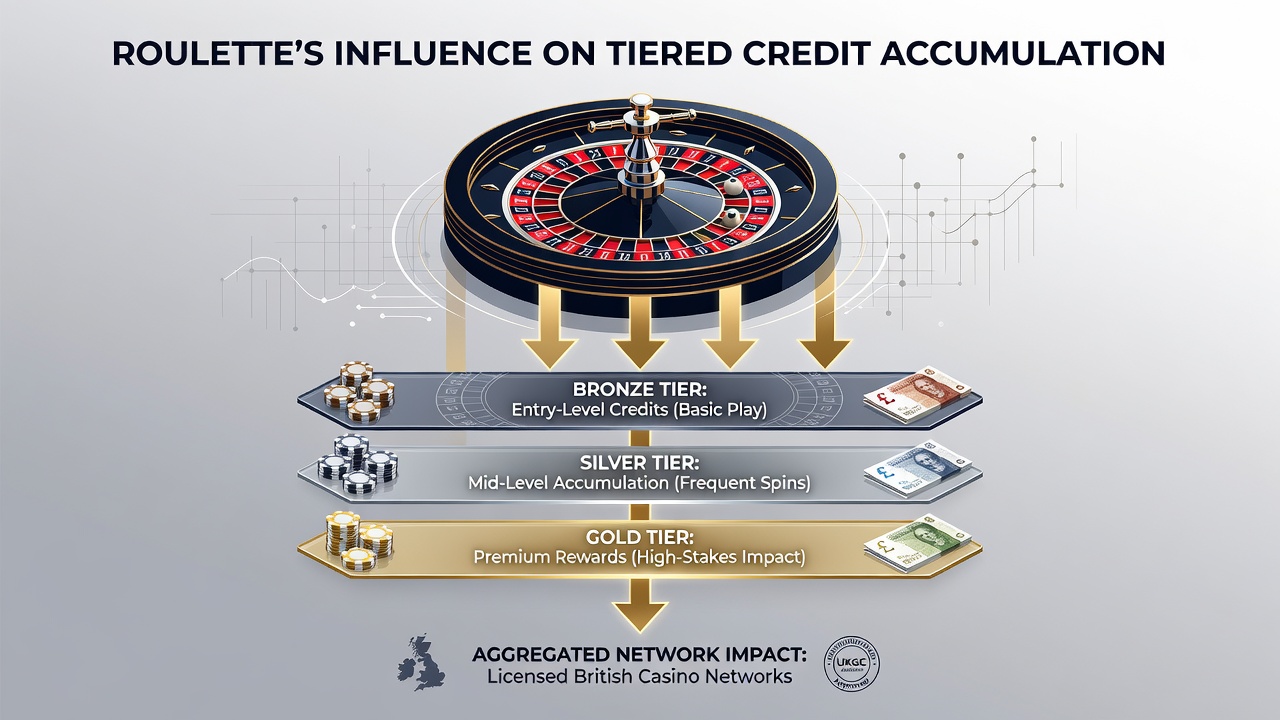
Tiered systems link accumulated roulette credits to layered benefits that compound across deposit bonuses, exclusive event access, and personalized withdrawal limits. Players advancing through these structures encounter escalating return percentages that reflect total credits earned, creating feedback loops where higher tiers encourage continued roulette participation.
Regulatory oversight from bodies such as those referenced in European Gaming and Betting Association guidelines ensures that point allocation remains consistent and auditable across licensed sites. Additional research from Canadian institutions like the Gambling Research Exchange Ontario provides comparative benchmarks on loyalty mechanics, showing how British networks align accumulation rates with international standards while adapting to local market conditions.
Case examples from network reports demonstrate players reaching gold or platinum tiers within three to six months when roulette constitutes over 40 percent of their tracked wagers, with credit logs confirming the direct correlation between spin volume and tier elevation. Networks update these pathways periodically to reflect engagement trends observed through June 2026.
Future Trajectories for Credit Systems
Developments in integration software allow roulette credits to transfer more fluidly between affiliated sites, reducing friction for players navigating multiple licensed networks under shared loyalty umbrellas. Projections based on current accumulation data point toward refined multipliers that reward consistent roulette engagement with accelerated VIP entry.
Analysts track how these adjustments maintain compliance while responding to player behavior patterns, ensuring tiered structures continue to function as primary mechanisms for credit growth across the British casino sector.
Conclusion
Roulette maintains a defined position within tiered credit systems operating across licensed British networks, where point allocation directly shapes progression and reward access. Ongoing data collection through mid-2026 continues to refine these connections, providing operators and players with clear metrics on accumulation pathways and their role in loyalty advancement.