Navigating Sequential Reward Structures in British Roulette Environments: From Entry-Level Perks to Sustained Engagement Systems
Written by Xander Flores · Jun 27, 2026

Navigating Sequential Reward Structures in British Roulette Environments: From Entry-Level Perks to Sustained Engagement Systems
British roulette environments have developed layered reward structures that guide participants from initial sign-up incentives through progressive loyalty tiers, and data from industry reports indicate these systems emphasize sustained participation rather than one-time promotions. According to figures released by the European Gaming and Betting Association, sequential programs in regulated markets often begin with deposit-based matches that convert into playable credits, then transition into point accumulation mechanisms tied directly to wager volume on roulette tables and wheels.
Entry-level perks typically include matched deposits up to defined thresholds along with free spin allocations that apply to specific roulette variants, while observers note these offers require verification steps and minimum deposit amounts that filter eligibility before any rewards activate. Those who've studied player progression patterns find that participants move into the next phase once initial bonuses reach completion thresholds, at which point loyalty tracking systems begin logging activity across sessions without resetting accumulated value.
Progression from Initial Incentives to Tiered Accumulation
Once participants complete entry requirements, systems shift focus toward point collection that scales with continued roulette play, and researchers at academic institutions such as the University of Nevada have documented how these mechanisms reward consistent volume through multiplier effects applied to base points. Points convert into additional credits or free rounds at predetermined ratios, yet the structure demands ongoing activity to maintain momentum because inactive accounts lose eligibility for higher conversion rates over defined periods.
British operators integrate these pathways with real-time dashboards that display current tier status, upcoming unlock criteria, and projected rewards based on recent play history. What's interesting is how the design encourages movement between tiers by offering incremental improvements such as faster withdrawal processing or expanded game access once point thresholds are crossed, and this creates a continuous loop where each completed level feeds directly into the next set of requirements.
Mechanics of Sustained Engagement and Loyalty Pathways
Sustained engagement systems rely on multi-stage loyalty frameworks that adjust reward frequency and value according to cumulative activity tracked over months rather than single sessions, and evidence from gaming association studies shows these frameworks often incorporate cashback percentages that increase at higher tiers while also unlocking personalized roulette tournaments or exclusive table limits. Participants accumulate status through a combination of deposit frequency, total wagered amounts, and retention of active accounts, whereas resets occur only after prolonged dormancy that exceeds operator-defined windows.
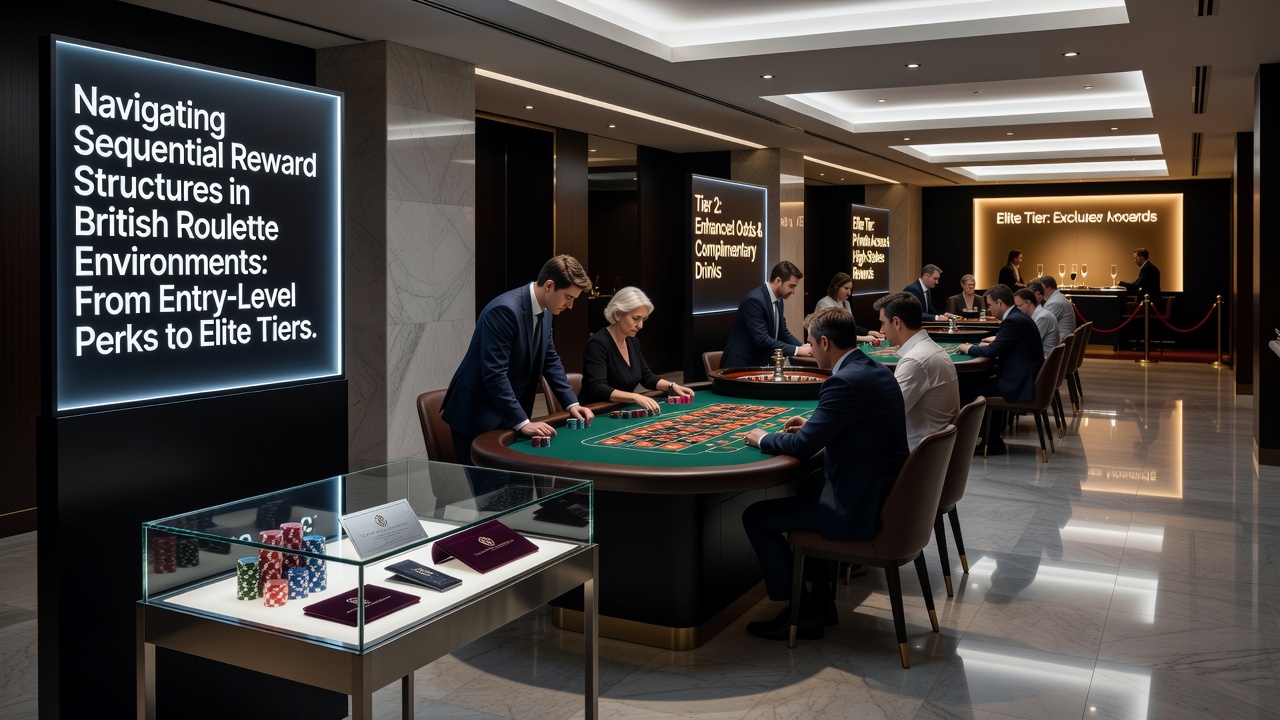
Operators in these environments frequently link reward sequences to specific roulette formats, granting bonus multipliers when play occurs on live dealer variants or automated wheels during promotional windows that align with broader industry calendars, such as updates observed around June 2026. This alignment allows participants to optimize timing because certain periods feature elevated point earning rates that accelerate advancement through the remaining tiers, and data indicates such calendar-driven boosts contribute measurable increases in overall engagement metrics.
Integration of Verification, Limits, and Regulatory Alignment
Sequential structures incorporate mandatory verification layers at each major transition point, requiring identity confirmation and payment method linkage before higher-tier benefits become accessible, and this process aligns with broader regulatory expectations outlined by bodies like the Malta Gaming Authority. Limits on bonus conversion and withdrawal caps scale with tier level, ensuring that reward values remain proportionate to demonstrated activity levels rather than appearing as standalone windfalls.
Those monitoring these systems observe that communication channels notify participants of approaching milestones and suggest actions needed to secure the next set of perks, while automated tracking prevents manual errors in point allocation. The result is a self-reinforcing cycle where entry perks establish initial habits that loyalty pathways then extend into longer-term patterns of participation across British roulette offerings.
Conclusion
Sequential reward structures in British roulette environments function as interconnected progressions that start with accessible entry offers and evolve into comprehensive loyalty frameworks supporting extended engagement. Data from multiple regulatory and academic sources confirm these designs emphasize measurable activity thresholds and tiered conversions that guide participants through defined stages without interruption when conditions are met. Observers continue to track how calendar events, such as those noted in June 2026, influence earning rates and unlock opportunities within these established sequences.