Mechanical Roulette Certification Brings Fresh Loyalty Calculations to British Markets
Written by Willa Müller · Jul 7, 2026
Mechanical Roulette Certification Brings Fresh Loyalty Calculations to British Markets
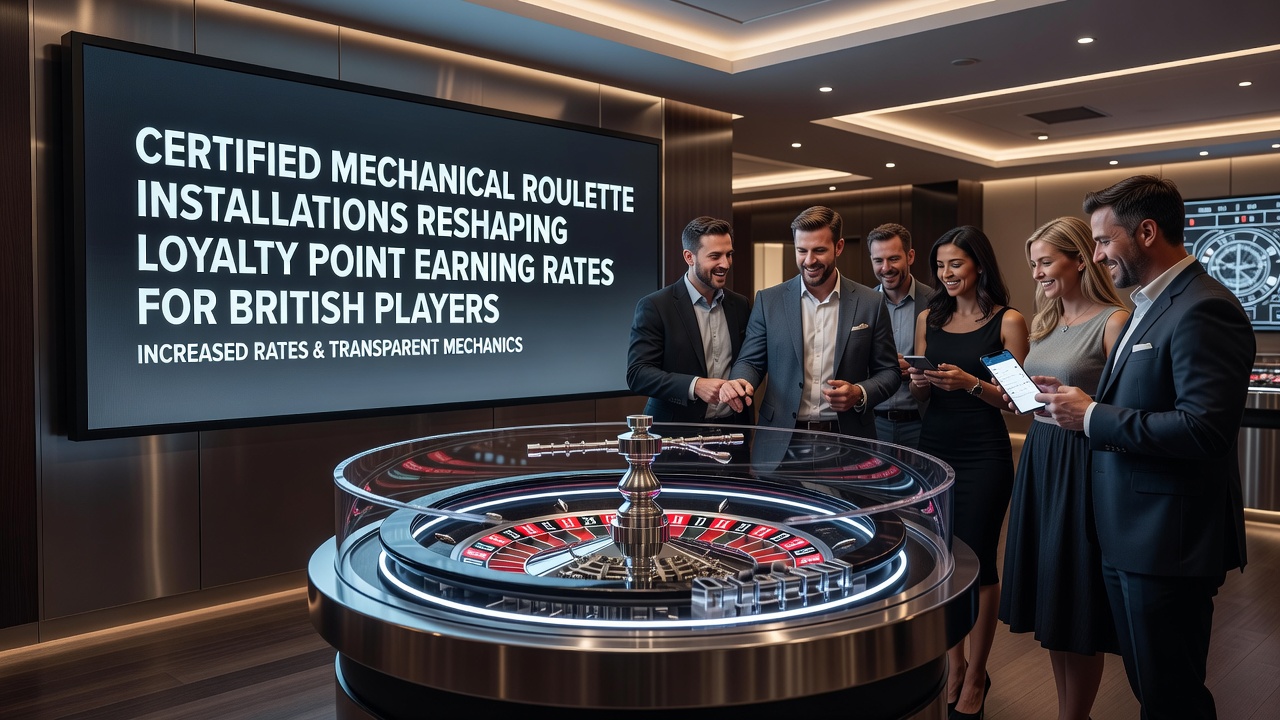
Certified mechanical roulette systems entered British casino floors through Category B3 machines that operators rolled out after the EAG Expo 2026 demonstrations, and these physical units now feed directly into loyalty tracking platforms that calculate points based on verified spin sequences rather than digital RNG outputs alone.
Installation Rollouts and Technical Standards
Operators completed initial deployments in major venues during the first half of 2026, where mechanical wheels connect to central servers that log each ball drop and rotor position with tamper-evident sensors. Data from these machines travels through encrypted channels to casino management systems, which then apply loyalty multipliers that differ from those used on virtual terminals because each physical outcome carries an auditable timestamp and sequence identifier.
Spintec and Blueprint Gaming led the certification push for these units, yet multiple suppliers followed with compatible hardware that meets the same mechanical integrity benchmarks. The result shows up in player accounts as adjusted point accrual formulas that reward session length and betting volume according to the machine's certified output rate instead of a uniform digital baseline.
Loyalty Point Adjustments in Practice
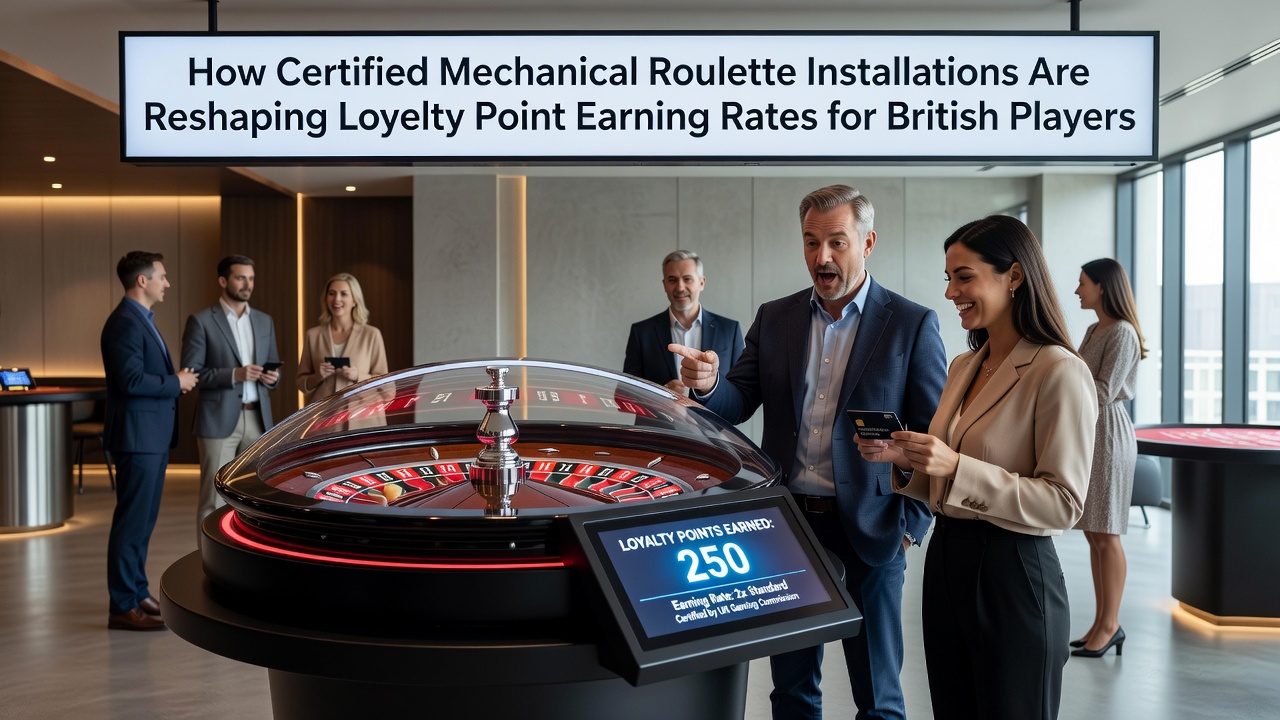
British players notice the shift when they move between machine types because mechanical installations often assign points at rates tied to actual wheel revolutions and ball landing frequencies. Figures from casino operators indicate that a standard £5 inside bet sequence on a certified mechanical wheel can generate 1.2 to 1.8 loyalty points per spin once the system verifies the outcome, whereas virtual equivalents remain fixed at lower increments in many programs.
Turns out the verification layer allows operators to introduce tiered bonuses that scale with the number of consecutive mechanical spins completed without interruption, so players who stay on one wheel for extended periods accumulate credits faster than those who switch between digital and physical terminals mid-session.
Regional Comparisons and Data Trends
Observers tracking adoption rates across England, Scotland, and Wales report that venues with mixed machine floors see loyalty redemptions rise when mechanical options remain available during peak hours. A study released by the European Gaming and Betting Association examined similar hardware transitions in other jurisdictions and found measurable changes in reward velocity once physical certification standards took hold.
Meanwhile, Canadian regulatory summaries from the Alcohol and Gaming Commission of Ontario documented parallel effects when mechanical tables integrated with player card systems, where point earning curves steepened once operators could confirm each physical result through independent logging. Those patterns now appear in British data sets collected after the 2026 installations reached operational status.
Player Behavior and Point Redemption Patterns
Accounts from loyalty program administrators show that British participants who focus on certified mechanical roulette tend to reach redemption thresholds in fewer visits compared with previous cycles that relied solely on electronic terminals. The difference stems from the way servers record verified sequences, which in turn triggers bonus point grants at set intervals that virtual systems do not replicate at the same frequency.
July 2026 brought additional updates when several chains synchronized their loyalty engines with the new mechanical feeds, resulting in unified point ledgers that combine play across both machine categories while preserving distinct earning coefficients for each type. Players who monitor their statements see separate line items that list mechanical versus digital contributions, allowing clearer tracking of how the physical installations influence overall reward velocity.
Operational Impacts on Casino Loyalty Frameworks
Casino groups that adopted the certified hardware report smoother reconciliation processes because each spin carries a unique identifier that matches against the loyalty database in real time. This reduces disputes over point awards and lets programs introduce targeted promotions that activate only after a player completes a verified number of mechanical spins within a calendar week.
Industry reports note that redemption volumes for free spins and bonus credits increased in venues that maintained steady mechanical availability, while venues without the installations continued using legacy point tables. The contrast highlights how hardware certification directly feeds into the algorithms that determine earning speed and reward frequency for British roulette participants.
Conclusion
Certified mechanical roulette installations continue to integrate with loyalty systems across British venues, where verified spin data now drives differentiated point rates that separate physical play from digital alternatives. Operators maintain these adjustments through ongoing sensor calibration and server synchronization, which keeps earning structures aligned with the technical capabilities introduced in 2026. Players access the updated frameworks through standard loyalty interfaces that display mechanical contributions alongside other activity, and the pattern shows steady expansion as more sites complete hardware certification.