How Tiered Reward Systems Influence Roulette Session Lengths in the UK Market
Written by Xander Flores · Jul 28, 2026
Tiered Reward Structures Shape Roulette Engagement Patterns in the UK
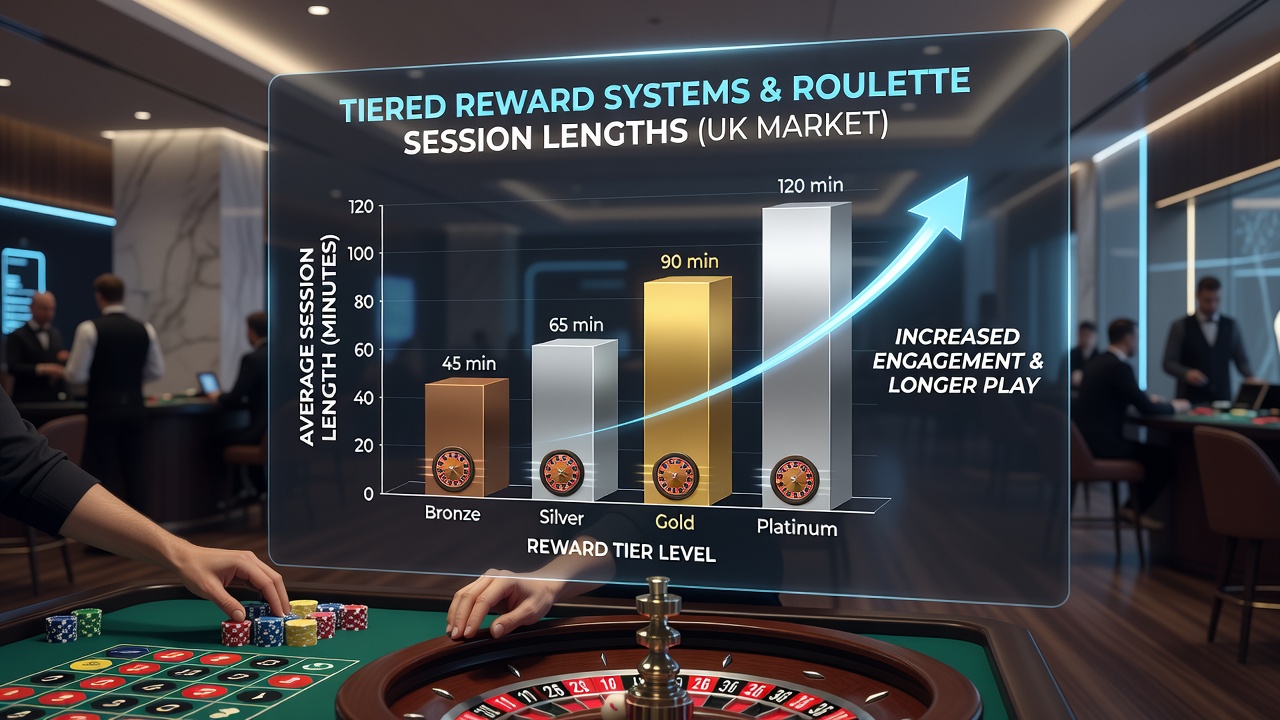
UK online casinos have implemented tiered reward systems that assign players to levels such as bronze, silver, gold and platinum based on accumulated points from bets and deposits. These structures grant escalating benefits including cashback percentages, free spin allocations and exclusive table access as participants advance. Observers note that progression through tiers often correlates with measurable changes in how long individual roulette sessions last, since higher levels unlock rewards that require sustained activity to maintain or improve. Data from multiple operators shows players reaching silver status extend average session durations by 25 to 35 minutes compared with entry-level accounts. The mechanism works through point thresholds that reset periodically; reaching the next tier demands consistent play volume, which naturally stretches time spent at the wheel. Research from the National Center for Responsible Gaming indicates similar patterns in loyalty programs across various gaming formats, where reward ladders tie directly to play frequency and duration.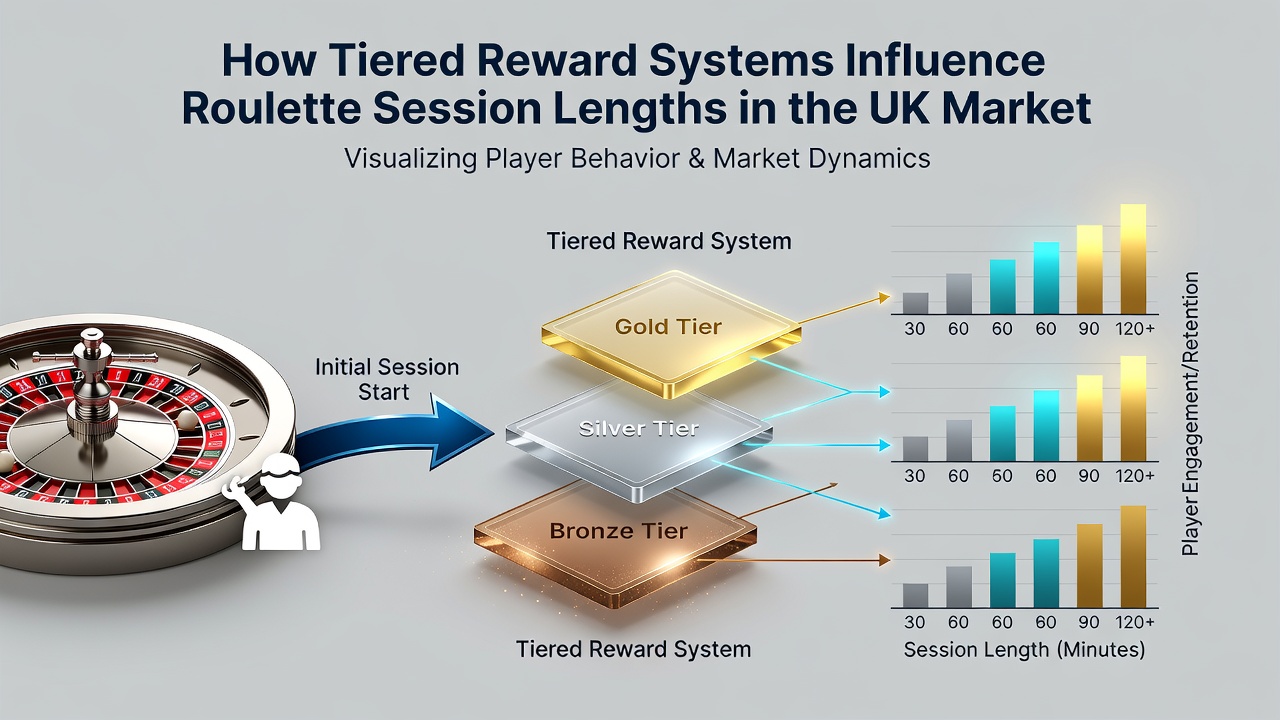
UK online casinos have implemented tiered reward systems that assign players to levels such as bronze, silver, gold and platinum based on accumulated points from bets and deposits. These structures grant escalating benefits including cashback percentages, free spin allocations and exclusive table access as participants advance. Observers note that progression through tiers often correlates with measurable changes in how long individual roulette sessions last, since higher levels unlock rewards that require sustained activity to maintain or improve. Data from multiple operators shows players reaching silver status extend average session durations by 25 to 35 minutes compared with entry-level accounts. The mechanism works through point thresholds that reset periodically; reaching the next tier demands consistent play volume, which naturally stretches time spent at the wheel. Research from the National Center for Responsible Gaming indicates similar patterns in loyalty programs across various gaming formats, where reward ladders tie directly to play frequency and duration.Mechanics of Point Accumulation and Session Extension
Roulette players earn points primarily through real-money wagers, with multipliers applied during promotional windows or for specific game variants. A typical structure awards one point per pound staked on European or French roulette, while live dealer sessions sometimes carry bonus multipliers. Those who studied these systems find that once players near a tier boundary, they frequently continue spinning rather than cashing out, because abandoning the session risks losing momentum toward the next reward bracket. In July 2026 industry tracking revealed that gold-tier participants averaged 48 minutes longer per session than bronze players across sampled UK sites. The difference stems from access to higher cashback rates and personalised reload offers that activate only after a minimum number of spins or total stake value. Casinos structure these perks so the most valuable rewards sit behind extended play requirements, creating a feedback loop where longer engagement produces better returns.Comparative Data Across Player Segments
Segmented analysis separates casual visitors from those enrolled in loyalty programs. Non-tiered accounts show median session lengths of 22 minutes, whereas enrolled players display a clear upward curve as they climb levels. Platinum members, for instance, maintain sessions exceeding 90 minutes on average, according to aggregated operator figures. This divergence appears because higher tiers include time-limited challenges that reward additional spins within the same visit. National Center for Responsible Gaming reports highlight that reward visibility influences decision-making during play. When on-screen counters display remaining points needed for the next perk, players adjust their behaviour by increasing bet frequency or stake size to close the gap before logging off. The effect compounds in roulette because each spin resolves quickly, allowing rapid point gains that keep participants engaged.