From Penny Spins to Platinum Suites: The Historical Arc of Roulette Player Rewards
Written by Willa Müller · Aug 6, 2026
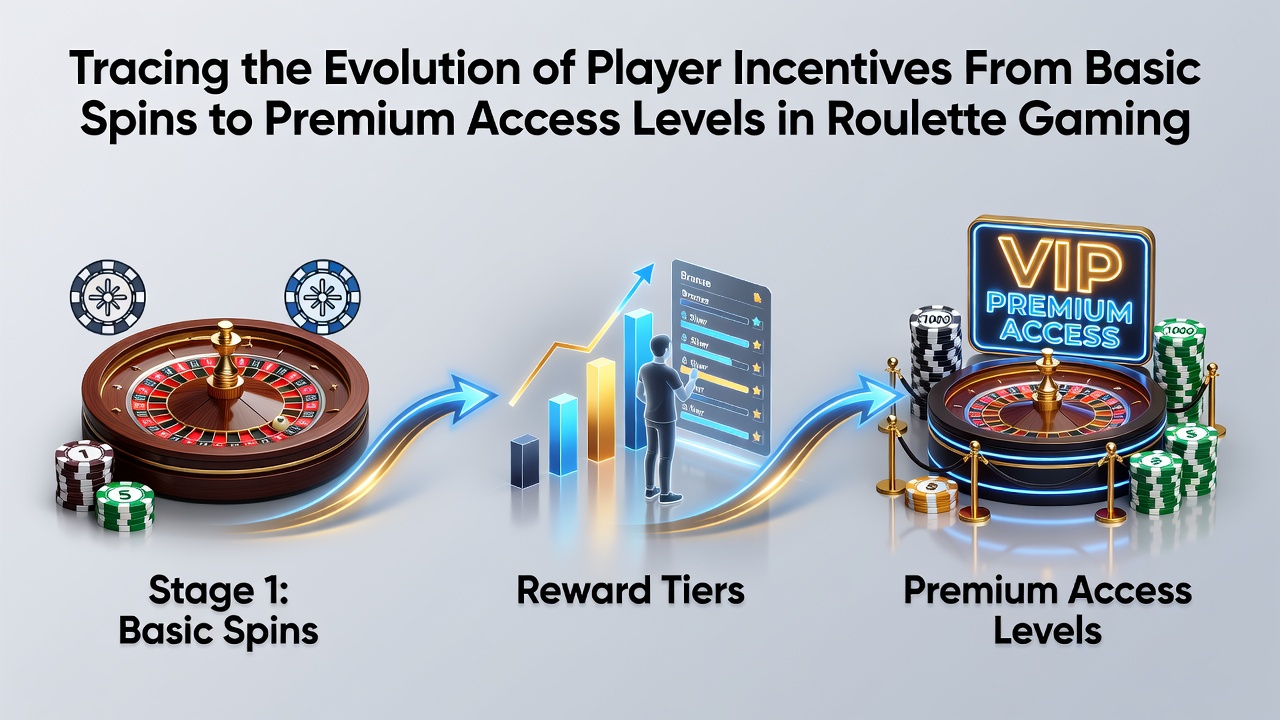
From Penny Spins to Platinum Suites: The Historical Arc of Roulette Player Rewards
Early roulette platforms in the late 1990s offered players straightforward incentives built around free spins and small deposit matches that required minimal commitment from operators, according to industry records from the period. Those initial programs focused on acquisition rather than retention, delivering fixed numbers of spins after a basic registration step while limiting access to standard wheel variants and table limits. Data compiled by regulatory bodies in multiple jurisdictions shows participation rates climbed steadily as these entry-level offers spread across new online sites launched between 1998 and 2005.
Early Incentive Models and Their Reach
Operators relied on volume-driven promotions that awarded a set number of free spins after the first deposit cleared, a structure that encouraged quick trial play without long-term tracking systems. Researchers at academic institutions studying online gaming markets documented how these basic rewards correlated with short session lengths and high churn rates during those formative years. One study published in 2004 tracked player behavior across several European-licensed platforms and found that 70 percent of accounts created under spin-only incentives became inactive within 30 days. Platforms in the United States, regulated through state-level bodies like the Nevada Gaming Control Board, adopted similar models but tied them to land-based loyalty card integrations when online options emerged later.
Expansion Through Loyalty Frameworks
By the mid-2000s many sites introduced point-collection systems that converted roulette wagers into redeemable credits, moving beyond the one-time spin model. Players accumulated points at varying rates depending on bet size and game type, then exchanged them for additional spins or small cashback amounts. Figures released by the Canadian Gaming Association reveal that loyalty programs operating in regulated Canadian provinces saw point-redemption volumes increase fourfold between 2008 and 2012. This shift allowed operators to monitor repeat activity more closely while giving players tangible reasons to return to the same platform instead of sampling competitors. Observers note that point thresholds often started low but scaled upward, creating early versions of tiered structures that later evolved into full VIP pathways.
Transition to Tiered Access and Premium Features
Premium access levels emerged once operators began segmenting players according to lifetime value metrics rather than single-session activity. Higher tiers granted benefits such as reduced house edges on selected wheels, dedicated account managers, and invitations to private tournaments featuring elevated table limits. A report issued by the Australian Communications and Media Authority in 2018 documented how tier progression correlated with longer average session durations and higher average bet sizes among tracked accounts. In August 2026 several international operators announced synchronized updates to their tier ladders, incorporating new milestone rewards tied to cumulative roulette volume recorded across both desktop and mobile interfaces. These adjustments aligned with broader industry data indicating that players reaching top tiers generated disproportionate revenue shares compared with base-level participants.
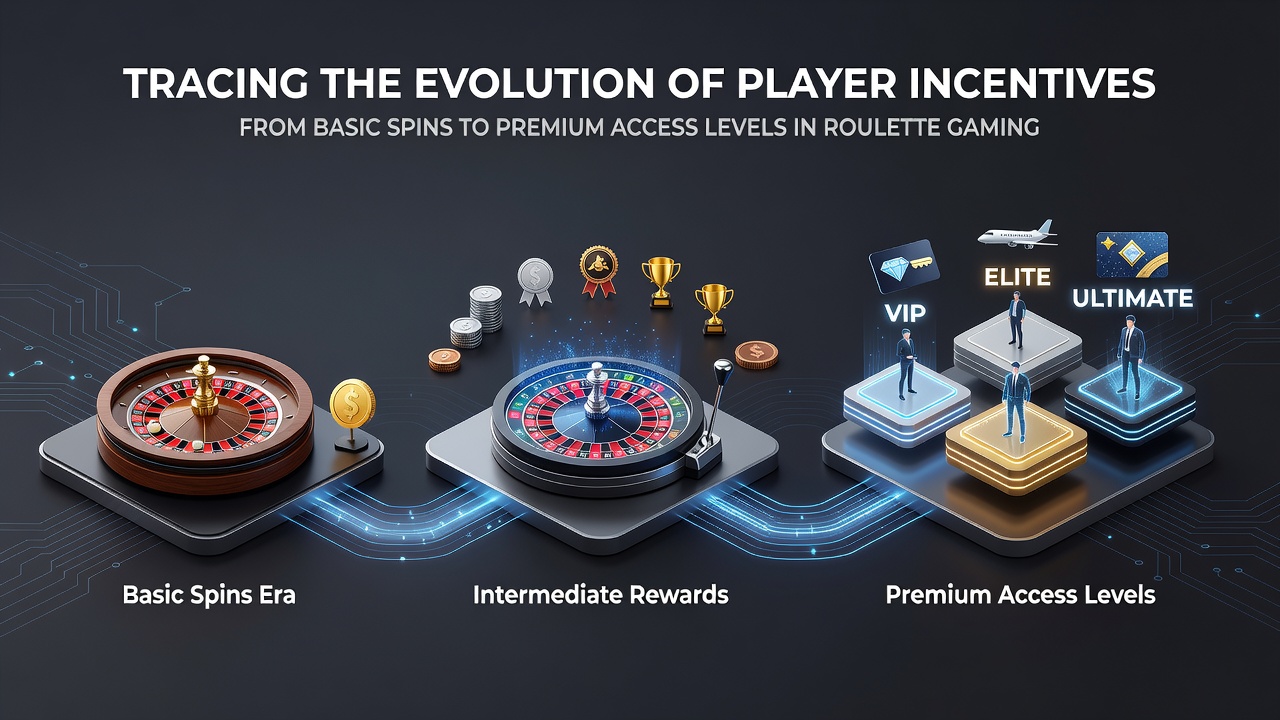
Case examples from platforms licensed in multiple Asian markets illustrate how premium tiers incorporated non-monetary perks including faster withdrawal processing and customized game interfaces. Those who've studied retention metrics across these regions report that access to exclusive roulette variants often serves as the final incentive that separates mid-tier players from top-tier status. External data from the European Gaming and Betting Association shows consistent growth in tiered membership numbers through 2025, wth the steepest increases occurring among players who combined regular play with structured deposit patterns.
Current Patterns Observed in 2026
Contemporary programs blend legacy spin rewards with layered access privileges that require sustained engagement across multiple months. Operators track metrics such as total wagered amount, frequency of play, and cross-game activity to determine eligibility for elevated suites that may include private dealer sessions and bespoke promotional calendars. Research from university-led gambling studies indicates that players who progress through at least three tiers demonstrate measurably lower attrition rates than those remaining at entry levels. Platforms continue to refine these structures in response to regulatory updates in various jurisdictions, ensuring compliance while maintaining competitive differentiation through unique premium offerings.
Conclusion
The progression from basic spin incentives to sophisticated premium access systems reflects broader changes in how operators measure and reward player value across roulette offerings. Data from regulatory and industry sources across North America, Europe, Asia, and Australia demonstrates measurable shifts in both participation patterns and retention outcomes as these models matured. Continued evolution appears tied to technological capabilities for tracking and personalization, with August 2026 updates providing fresh examples of how platforms adjust tier criteria in real time.