Decoding Reward Pathways in Roulette: The Role of Loyalty Metrics in Unlocking Progressive Spin Allocations
Written by Willa Müller · Aug 8, 2026
Decoding Reward Pathways in Roulette: The Role of Loyalty Metrics in Unlocking Progressive Spin Allocations
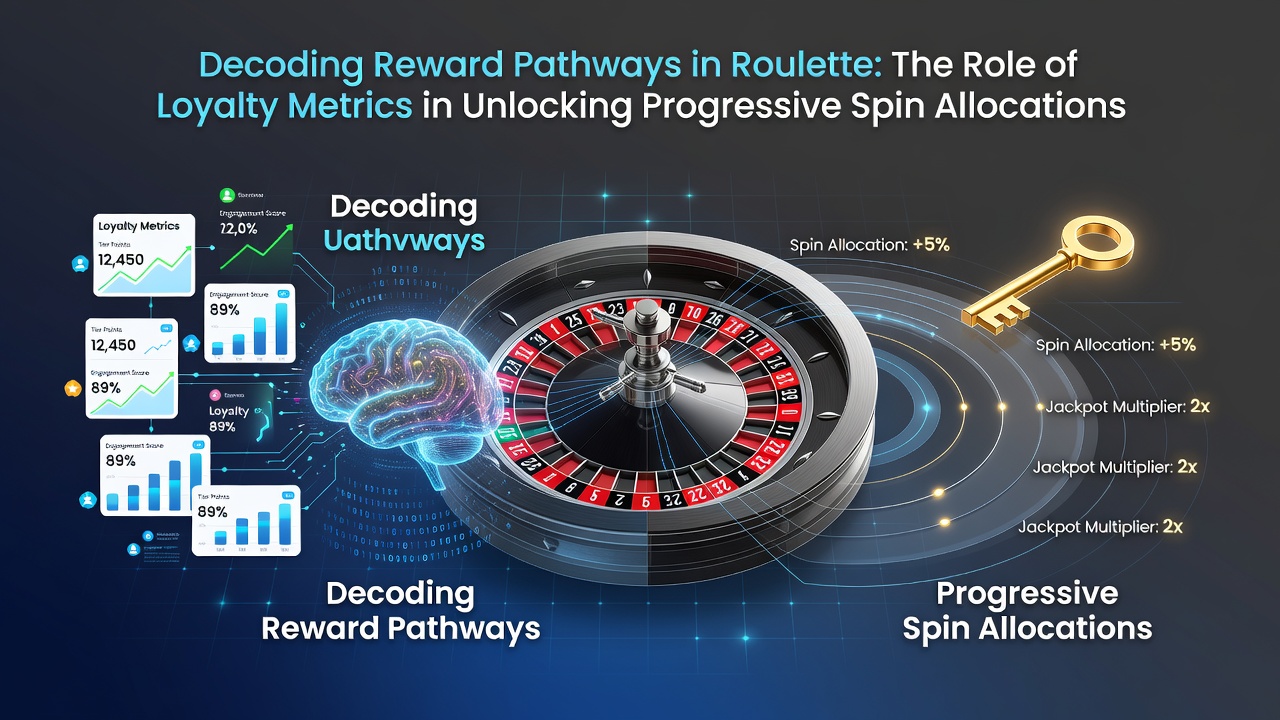
Modern roulette platforms track player activity through structured loyalty systems that convert bets into measurable metrics, and these metrics determine access to progressive spin allocations where free spins increase in quantity and value as engagement levels rise. Systems record every wager in real time, then apply formulas that award points based on bet size, game type, and session duration, while operators update tier thresholds periodically to reflect player volume across different regions.
How Loyalty Metrics Operate in Roulette Environments
Points accumulate when players place bets on inside or outside positions, and the rate often scales with total stake amounts so that higher wagers generate more credits per spin. Many platforms assign one point for every ten units wagered on standard European or American wheels, yet some programs adjust multipliers during promotional windows that coincide with major sporting calendars. Data from industry reports indicate that consistent play over multiple weeks moves participants through bronze, silver, and gold tiers, each of which unlocks additional spin batches that grow from five free rounds at entry level to fifty or more at the top tier.
Progressive allocations function through algorithms that release spins in stages, and these stages activate once cumulative points reach predefined milestones. A player who reaches the first threshold might receive ten spins with a fixed multiplier, while further accumulation opens twenty spins that carry higher payout potential on specific wheel segments. Operators monitor redemption patterns to refine the speed at which new allocations appear, ensuring the system remains balanced against overall house returns.
Integration of Metrics Across Multiple Casino Platforms
Cross-platform loyalty networks now link roulette sessions from desktop and mobile clients so that points earned in one environment transfer automatically to another. This linkage allows players to maintain a single metric profile even when switching between live dealer tables and automated wheels, and the unified score determines eligibility for progressive rewards that operators release on a weekly schedule. Reports compiled by the American Gaming Association show that integrated tracking increases session frequency because participants see their progress reflected across every device they use.
In August 2026 several major operators expanded these networks to include instant point conversion tools that let users trade accumulated credits for immediate spin bundles instead of waiting for monthly tier reviews. The expansion coincided with updates to regulatory frameworks in multiple jurisdictions that required clearer disclosure of how metrics convert into rewards, and compliance teams adjusted software interfaces to display projected allocations based on current point totals.
Role of Data Analytics in Refining Spin Allocations
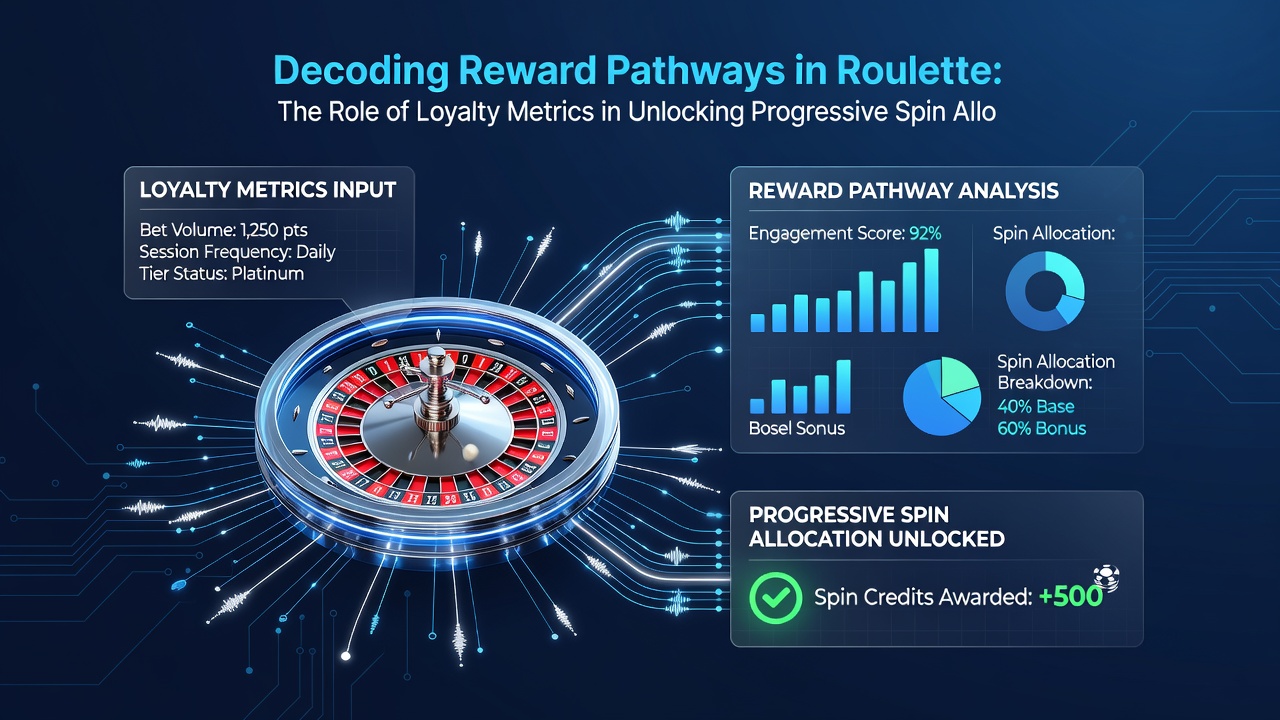
Analytics teams examine large datasets that capture point velocity, redemption rates, and average session lengths, then apply these insights to adjust allocation curves so that rewards remain attractive without inflating operational costs. Studies published by the University of Nevada's gaming research center demonstrate that players who receive progressive spins at predictable intervals maintain higher retention rates than those who receive random bonuses of similar total value. The predictability stems from transparent metric displays that show exactly how many additional points separate the current tier from the next reward level.
Seasonal adjustments sometimes occur when overall betting volumes rise, and August 2026 saw several networks increase the point-to-spin conversion ratio during peak holiday periods to accommodate elevated player traffic. These temporary boosts appear as highlighted multipliers on user dashboards, and they reset automatically once the designated window closes.
Examples of Progressive Structures in Practice
One European operator introduced a four-tier ladder in early 2026 where each tier required progressively larger point totals yet delivered spin allocations that scaled exponentially rather than linearly. Participants at the entry tier collected fifteen spins after reaching five thousand points, while those who advanced to the uppermost tier obtained one hundred spins once they accumulated fifty thousand points. Observers note that the exponential structure encourages sustained play because the marginal gain from each additional point grows larger near tier boundaries.
Another program in the Asia-Pacific region ties spin allocations to both loyalty points and consecutive days of activity, so players who maintain daily roulette sessions receive bonus multipliers on their progressive rewards. Figures released by regional trade associations reveal that such combined metrics reduced churn rates among mid-tier participants by measurable percentages during the first half of the year.
Conclusion
Loyalty metrics serve as the central mechanism that converts routine roulette activity into escalating spin allocations, and operators continue to refine the formulas that govern point accumulation and reward release. As networks expand and data analytics grow more sophisticated, the pathways that connect individual bets to progressive benefits become increasingly precise, allowing participants to track their progress toward higher-value spin bundles through transparent dashboards and scheduled updates.