British Roulette Enthusiasts Accumulate Credits by Integrating Deposit Codes with Multi-Level Loyalty Systems
Written by Jordan Vogel · Jul 23, 2026
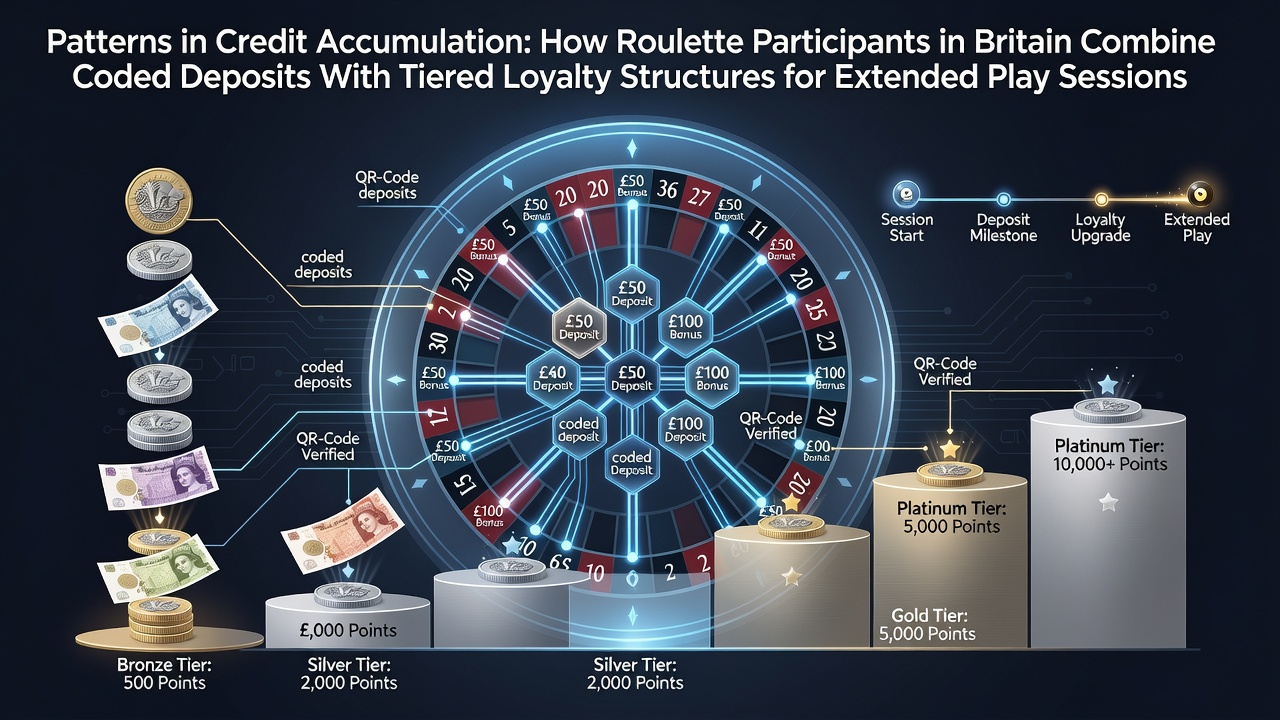
British Roulette Enthusiasts Accumulate Credits by Integrating Deposit Codes with Multi-Level Loyalty Systems
British roulette participants have developed consistent approaches to credit accumulation that merge coded deposit promotions with tiered loyalty frameworks, and these methods support extended play sessions across multiple online platforms operating under UK regulations. Data from industry reports indicate that players often apply specific bonus codes during deposit transactions to unlock additional funds, while simultaneous tracking of loyalty points moves them through ascending reward levels that grant further credits and reduced wagering requirements.
Mechanics of Coded Deposits in Current British Roulette Markets
Operators in Britain issue alphanumeric codes that players enter at the deposit stage, and these codes activate percentage-based matches or fixed credit amounts that must meet playthrough thresholds before withdrawal eligibility applies. Figures from the European Gaming and Betting Association reveal that such codes appear in seasonal campaigns throughout 2026, with activity peaking in July when operators align promotions with major sporting calendars and summer events. Players frequently select codes tied to roulette-specific terms, which allocate credits directly to table games rather than slots, and this targeting allows for focused accumulation without diverting funds elsewhere.
Transaction records show that minimum deposit thresholds for code activation usually range between £10 and £50, after which the bonus credits become available for immediate roulette bets at varying stake limits. Observers note that repeat users monitor code expiration dates closely, since many promotions last between seven and thirty days, and timing multiple deposits within active windows sustains credit balances over consecutive sessions.
Tiered Loyalty Structures and Point Progression Patterns
Loyalty programs in British online casinos divide participants into tiers that unlock incremental benefits, and movement between levels depends on accumulated points derived from real-money wagers on roulette and other titles. Each tier typically offers enhanced point conversion rates, cashback percentages, and exclusive coded deposits that carry lower playthrough multipliers than standard offers. Research compiled by the Canadian Centre on Substance Use and Addiction highlights similar tiered models in regulated markets, where higher levels correlate with increased session duration because players receive ongoing incentives that offset house edge impacts during longer play periods.
Point earning formulas generally award one point per £10 wagered on roulette, though some programs adjust multipliers for live dealer variants or specific wheel types, and these adjustments accelerate progression for dedicated participants. Once players reach mid-tier status, loyalty dashboards display projected rewards for upcoming deposits, allowing strategic code selection that compounds existing point totals with new bonus funds.

Integration Strategies That Extend Play Duration
Participants combine the two systems by applying coded deposits at moments when loyalty tier thresholds are near, and this synchronization converts new funds into points that push accounts into higher reward brackets faster. Case examples documented in academic analyses from the University of Sydney's Gambling Research Unit demonstrate that players who align code redemptions with loyalty milestones maintain larger effective bankrolls across multiple hours of roulette activity. The approach relies on tracking both bonus expiry and point accrual simultaneously, often through casino mobile apps that display real-time balances for both metrics.
July 2026 promotional calendars released by several major operators include layered offers where a single coded deposit satisfies both immediate credit needs and loyalty point targets, and data indicates these combined incentives appear more frequently during periods of high player traffic. Those who study these patterns observe that extended sessions result when players cycle through lower-stake roulette bets to meet wagering conditions while simultaneously earning tier points that unlock future coded deposits at improved rates.
Observed Behaviors Across Player Segments
Segmentation data from market analyses show that recreational participants tend to use coded deposits sporadically, whereas those maintaining consistent loyalty status integrate codes more systematically to preserve session length. Mid-tier players frequently time deposits to coincide with weekly loyalty challenges that award extra points, and this timing creates feedback loops where accumulated credits fund the very wagers needed to climb further. External reports from the National Council on Problem Gambling in the United States note parallel behaviors in other jurisdictions, where structured reward stacking correlates with measurable increases in average session time without corresponding rises in total expenditure.
Platform analytics further reveal that roulette-specific loyalty paths emphasize wheel-based play for point qualification, and players adapt stake sizes accordingly to optimize both code clearance and tier advancement within single visits. These adaptations produce predictable credit accumulation curves that operators monitor to refine future promotional structures.
Conclusion
Patterns in credit accumulation among British roulette participants emerge from deliberate coordination of coded deposits and tiered loyalty mechanisms, and available figures demonstrate sustained session extension when these elements align. Regulatory frameworks continue to shape available promotions, while player tracking tools facilitate the precise timing that maximizes combined benefits across 2026 and beyond.